There is always one item I reach for when the weather cannot make up its mind, and it is not a heavy coat. It is my featherlight cashmere wrap scarf, folded so small it disappears into a tote, yet warm enough to rescue a chilly train ride, a draughty cafe, or a long walk back to a hotel after dinner. If you have ever shivered through a flight in a thin jumper, or packed three bulky knits just in case, you already understand the appeal.
A good wrap scarf is part scarf, part shawl, and part travel blanket, all in one soft rectangle of fabric. Because cashmere fibres are fine and trap warmth without weight, a featherlight version gives you real cosiness without the bulk of a winter scarf. Below are nine honest ways I wear mine, plus how to fold it, pack it, choose a good one on a sensible budget, and look after it so it lasts for years.

Why This One Scarf Earns Its Place in Your Bag
Size is the secret. A wrap scarf is much wider and longer than a standard scarf, usually around 70 centimetres wide and close to two metres long. That extra fabric is what lets it cover your shoulders properly, spread across your knees on a train, or wrap twice around your neck on a bitter morning. A narrow scarf simply cannot do all of those jobs, however pretty it looks.
Cashmere makes the difference in feel. The fibres are shorter and finer than ordinary wool, so the fabric sits softly against bare skin, even around a sensitive neck. It also breathes. You can wear it in a heated station without instantly overheating, then step outside into cold air and still feel protected.
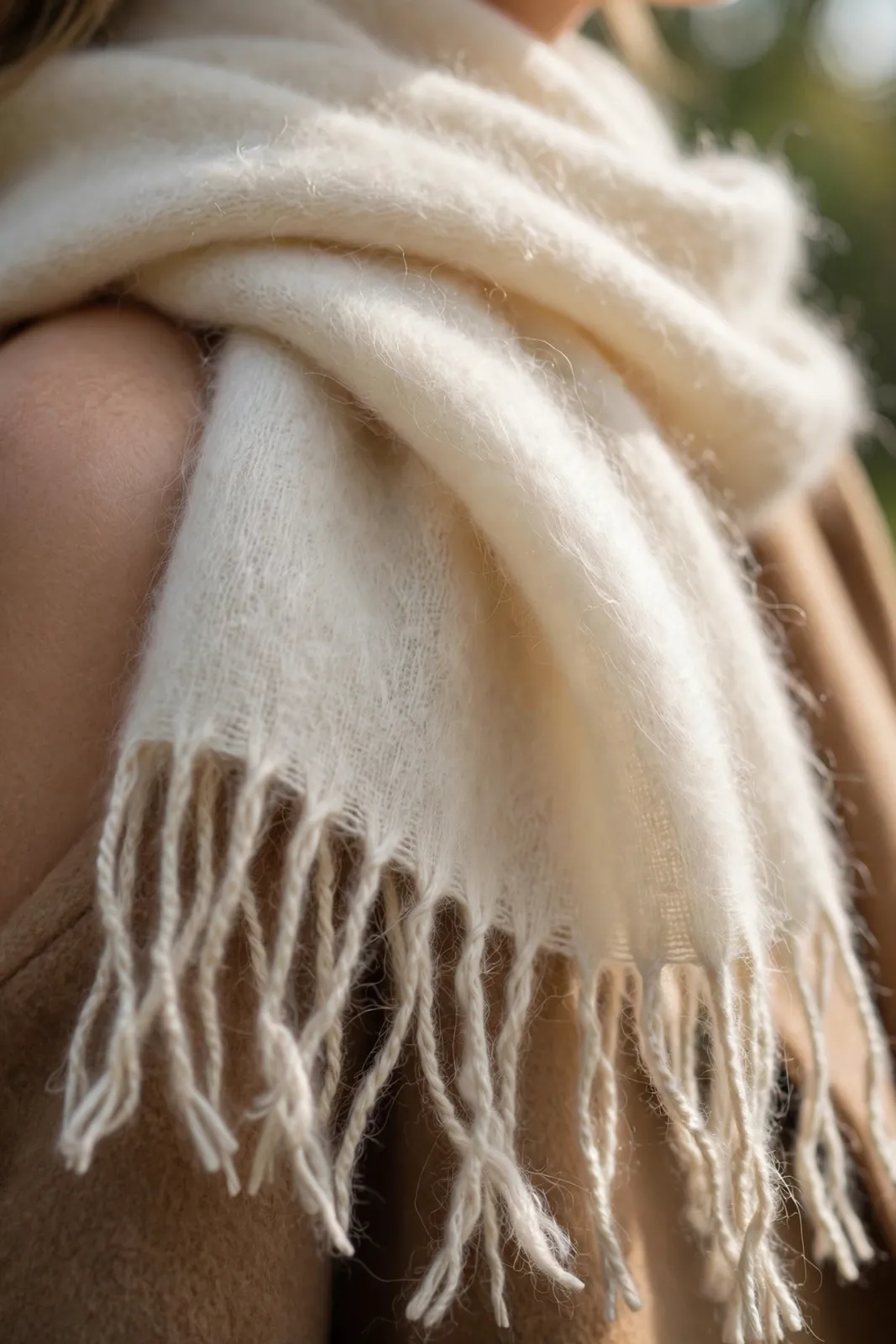
Featherlight matters too. A heavy blanket scarf can drag on your neck by midday and takes up half a carry-on bag. A light cashmere wrap folds down to roughly the size of a paperback book, weighs very little, and shakes out almost crease-free.
Ways 1 to 4: The Easy Everyday Wraps
1. The classic loop. Fold the wrap in half lengthways, drape it around your neck, and pull the loose ends through the folded loop. This sits neatly over a coat, keeps the fringe tidy, and is the warmest option for windy streets because there are no gaps at the throat.
2. The long, relaxed drape. Simply hang the scarf around your neck with both ends falling down the front of a jumper or blazer. It adds a soft vertical line to an outfit and works beautifully with plain knitwear that needs a little interest.
3. The cosy double wrap. On the coldest days, wrap the scarf twice around your neck and tuck the ends in. Because the fabric is light, you get serious warmth without the stiff, bulky feeling of a chunky knit. This is my go-to for early morning dog walks and frosty market trips.
4. The belted wrap. Drape the scarf over your shoulders like a cape, then add a slim belt over it at your waist, over a dress or a long cardigan. It creates a layered, intentional outfit from very simple pieces, and it stays put while you walk, which loose shawls rarely do.
Ways 5 to 9: Shawl, Blanket and Evening Tricks
5. The shoulder shawl. Open the wrap to its full width and settle it over both shoulders, crossing the ends loosely at the front. This is perfect over a knit dress or a blouse when a room turns chilly. A dusty rose or soft grey wrap over a plain dress looks gentle and finished, not like an afterthought.
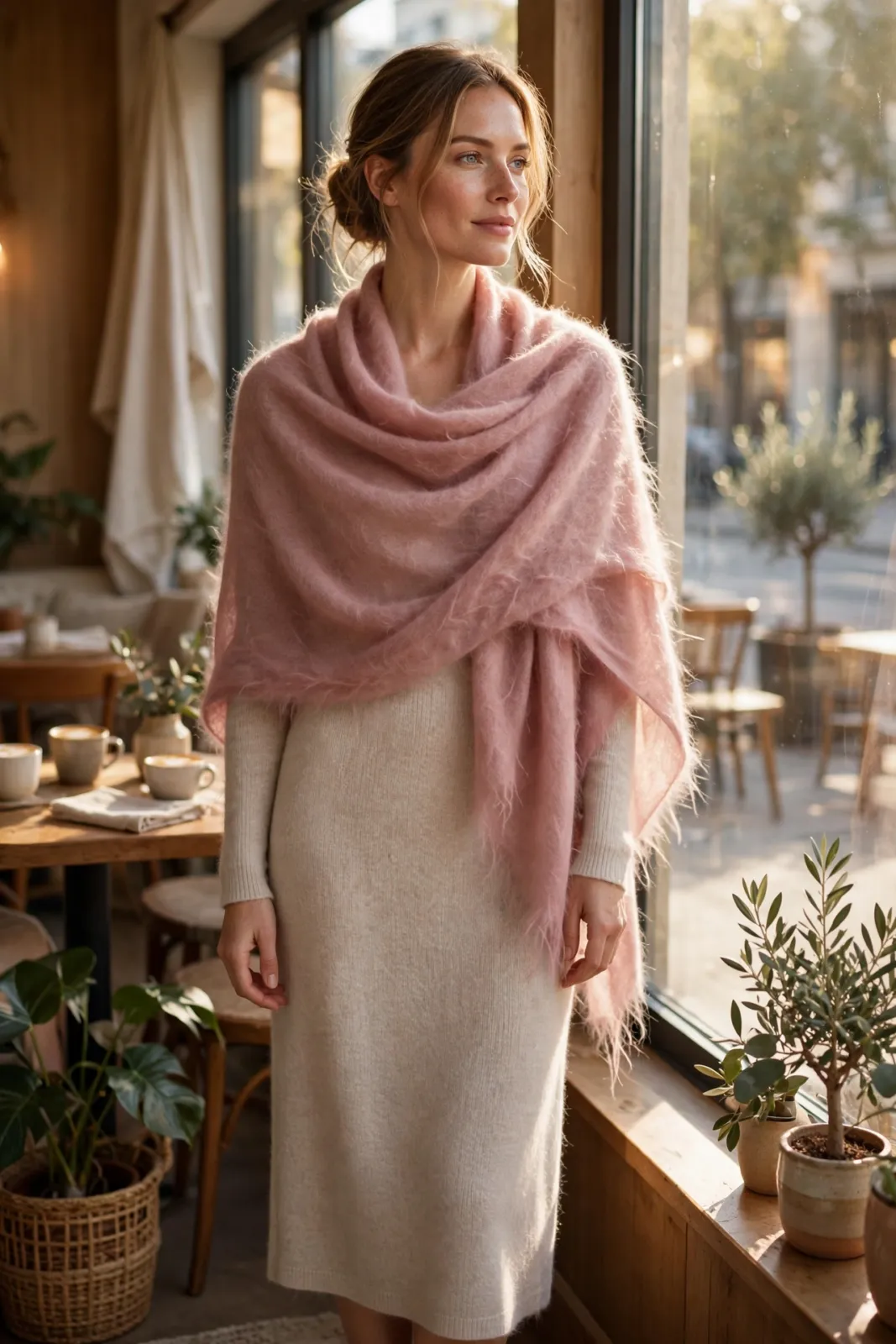
6. The travel blanket. On a plane or train, unfold the wrap across your lap and legs, or roll it lightly and rest it behind your lower back on a long journey. It is far softer than an airline blanket and small enough to keep with you.
7. The head and shoulder cover. In sharp wind or light drizzle, lift the wrap over your head and let the ends fall around your shoulders. It protects a hairstyle surprisingly well and feels far nicer than pulling a hood over everything. It is also a respectful, easy option when visiting places of worship while travelling.
8. The evening wrap. With a simple black or navy dress, a cream cashmere wrap worn loosely over the shoulders adds warmth at a dinner, wedding, or theatre evening without hiding your outfit. Let one end fall down your back and bring the other across the front for an elegant, unfussy line.
9. The bag and picnic extra. Tied in a loose knot on a tote handle, the wrap is ready the moment the temperature drops. Unplanned, it becomes a light layer to sit on in a park, a cover for a sleeping child in a pushchair, or padding around a fragile souvenir in your bag.

How to Wrap, Fold and Pack It, Step by Step
Packing cashmere well takes two minutes and prevents snags and deep creases. Follow these simple steps before any trip.
Step 1: Shake the wrap out gently and lay it flat on a clean bed or table. Smooth it with your palms rather than pulling at the edges, and line up the fringe with your fingers so it does not tangle.
Step 2: Fold it in half lengthways, then in half again, so you have a long, narrow strip. Keep the folds loose. Tight, hard creases stress fine fibres and take longer to fall out.
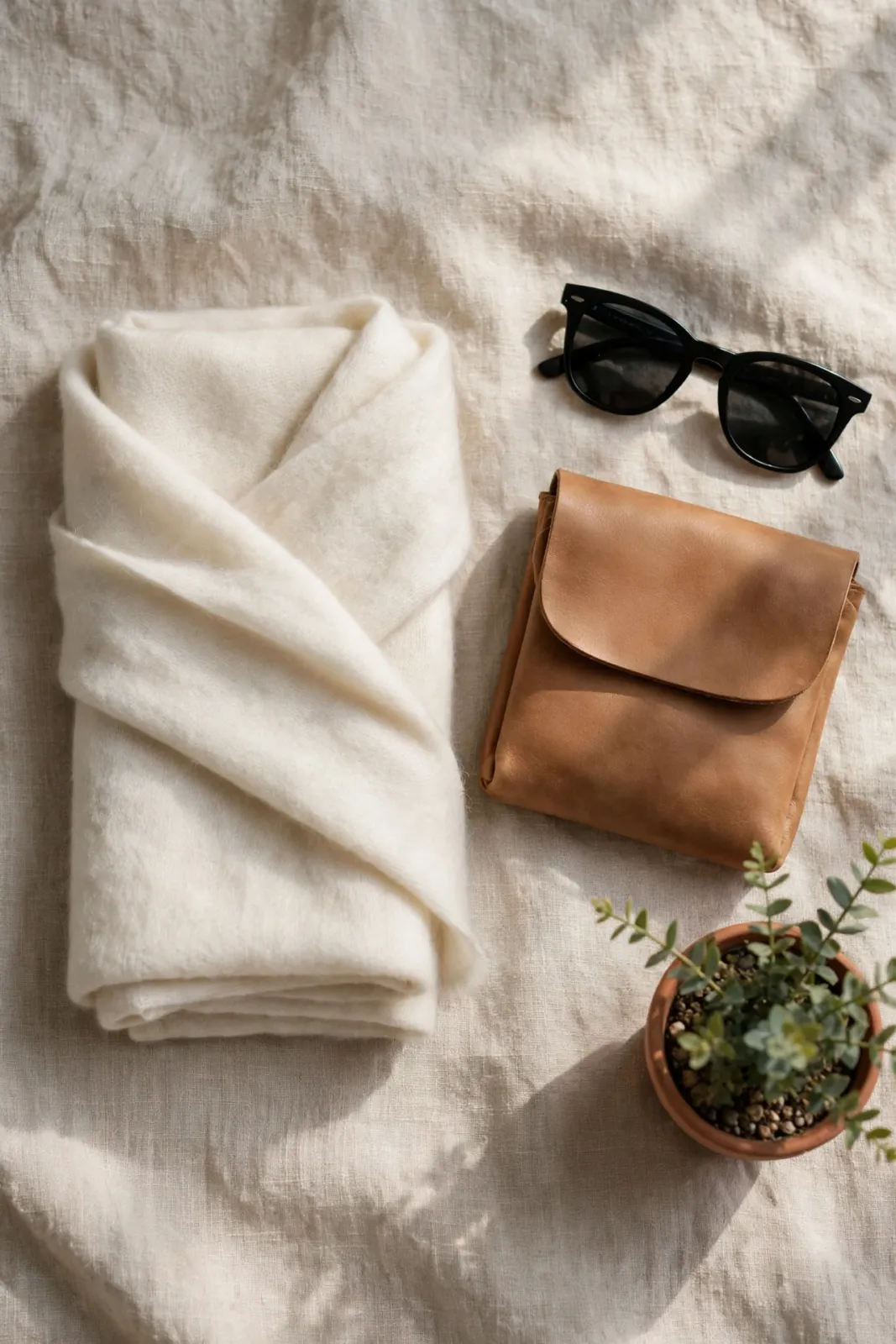
Step 3: Starting from one short end, roll the strip softly rather than folding it into a sharp rectangle. Rolling is kinder to the weave and leaves the wrap smoother when you unroll it at your destination.
Step 4: Slip the roll into a clean cotton pouch or a zip bag with the air gently pressed out. This protects it from zips, keys, and rough bag linings, which are the usual cause of pulled threads while travelling.
Step 5: At your hotel, unroll the wrap and hang it over a chair for an hour. Most light creases drop out on their own. If one stubborn line remains, hang it in a steamy bathroom while you shower rather than reaching for a hot iron.
Choosing Well, Caring Gently and Saving Money
When buying, check the label first. Look for a high cashmere content, and be wary of very cheap pieces described vaguely as cashmere feel, which are usually acrylic. Hold the fabric to the light: a good featherlight weave looks fine and even, not patchy. Rub a small area gently between your fingers. It should feel smooth and warm within seconds, not slippery or squeaky.
Colour decides how hard your wrap works. Cream, camel, soft grey, and dusty rose pair with almost everything in a winter wardrobe. One well-chosen colour worn nine ways is far better value than three cheap scarves worn once.
On budget, cost per wear is the honest test. A mid-priced real cashmere wrap worn a hundred times over five winters costs very little per outing, while a bargain synthetic that pills in a month is money lost. Buy out of season when you can, and check outlets and end-of-line sales from reputable knitwear brands.
Care is simple. Wash rarely, only when needed, by hand in cool water with a little wool wash, or use a trusted dry cleaner. Never wring it. Roll it in a clean towel to press out water, then dry it flat away from radiators and direct sun. Store it folded with cedar or lavender to discourage moths, and keep it away from rough jewellery and bag straps that can catch the fringe.
Common Mistakes to Avoid
The first mistake is wrapping too tightly. Cashmere traps warm air in its fibres, so a slightly loose wrap is actually warmer than one pulled tight, and it looks softer too. The second is machine washing on a normal cycle, which can felt and shrink fine cashmere in a single wash. Always check the label and choose the gentlest option.
Third, do not hang a cashmere wrap on a hook for weeks. Its own light weight will still pull the weave out of shape over time, so fold it for storage. Fourth, avoid spraying perfume directly onto the scarf, as alcohol can dry the fibres and leave marks on pale colours. Finally, do not save it only for best — a wrap worn often softens beautifully and earns its cost many times over.
Frequently Asked Questions
Is a featherlight cashmere wrap scarf warm enough for winter?
Yes, for most winter days, especially layered over a coat or jumper. Cashmere insulates very well for its weight, and the wrap size lets you double it around your neck or shoulders. On truly bitter days, pair it with a hat and gloves rather than expecting one piece to do everything.
Can I take a cashmere wrap in hand luggage?
Absolutely, and it is one of the best hand luggage items you can pack. Rolled in a small pouch it takes very little space, passes security without any issue, and doubles as a blanket or pillow cover on the journey. Many travellers wear it to board, which saves even more space.
How do I stop my cashmere wrap from pilling?
A little pilling in the first few wears is normal where the fabric rubs, such as under a bag strap. Lay the wrap flat and lift pills gently with a cashmere comb, never scissors or a razor pulled hard across the weave. Resting the piece between wears also helps the fibres recover.
What colour wrap scarf goes with everything?
Cream and soft camel are the most flexible, followed by light grey. If you wear a lot of pale colours already, choose charcoal or dusty rose instead so the wrap adds gentle contrast.
How long should a good cashmere wrap last?
With gentle washing, flat drying, and folded storage, a good wrap should last many winters and often looks better as it softens. The main threats are moths, rough handling, and harsh washing, all of which are easy to avoid with the simple habits above.
If you buy one thoughtful accessory this season, make it a featherlight cashmere wrap scarf. It folds into almost nothing, softens plain outfits, rescues cold journeys, and asks for very little care in return. Start with the classic loop and the shoulder shawl, and by the end of one trip you will wonder how your bag ever travelled without it.