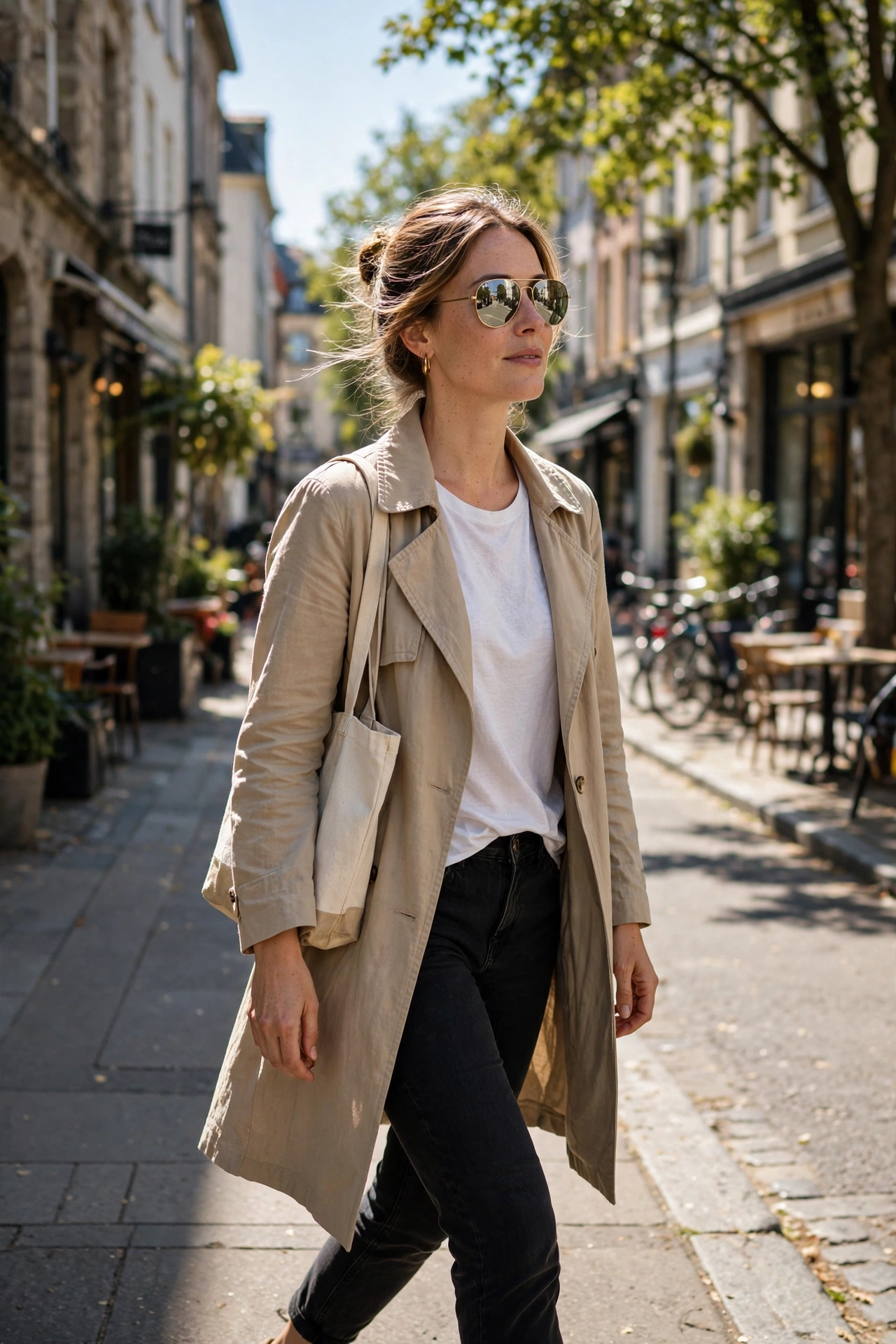
I bought my first pair of aviator sunglasses on a whim because the gold frames caught the light in a shop window. Years later, that pair still lives in my bag, and it has pulled together countless outfits — jeans and a plain tee, a blazer that felt too serious, a chunky sweater that needed something sharper. Aviators make everything else look more intentional.
They were designed for pilots in the 1930s, became a film-star staple, and somehow still feel current every season. The trick is not just owning a pair. It is wearing them so they belong to the outfit, not like an afterthought. Here are nine easy ways to wear aviator frames with blazers and knits, plus how to pick the right size, shape, and pair for your budget.
Nine Easy Ways to Style Aviators With Blazers and Knits
1. The classic blazer pairing
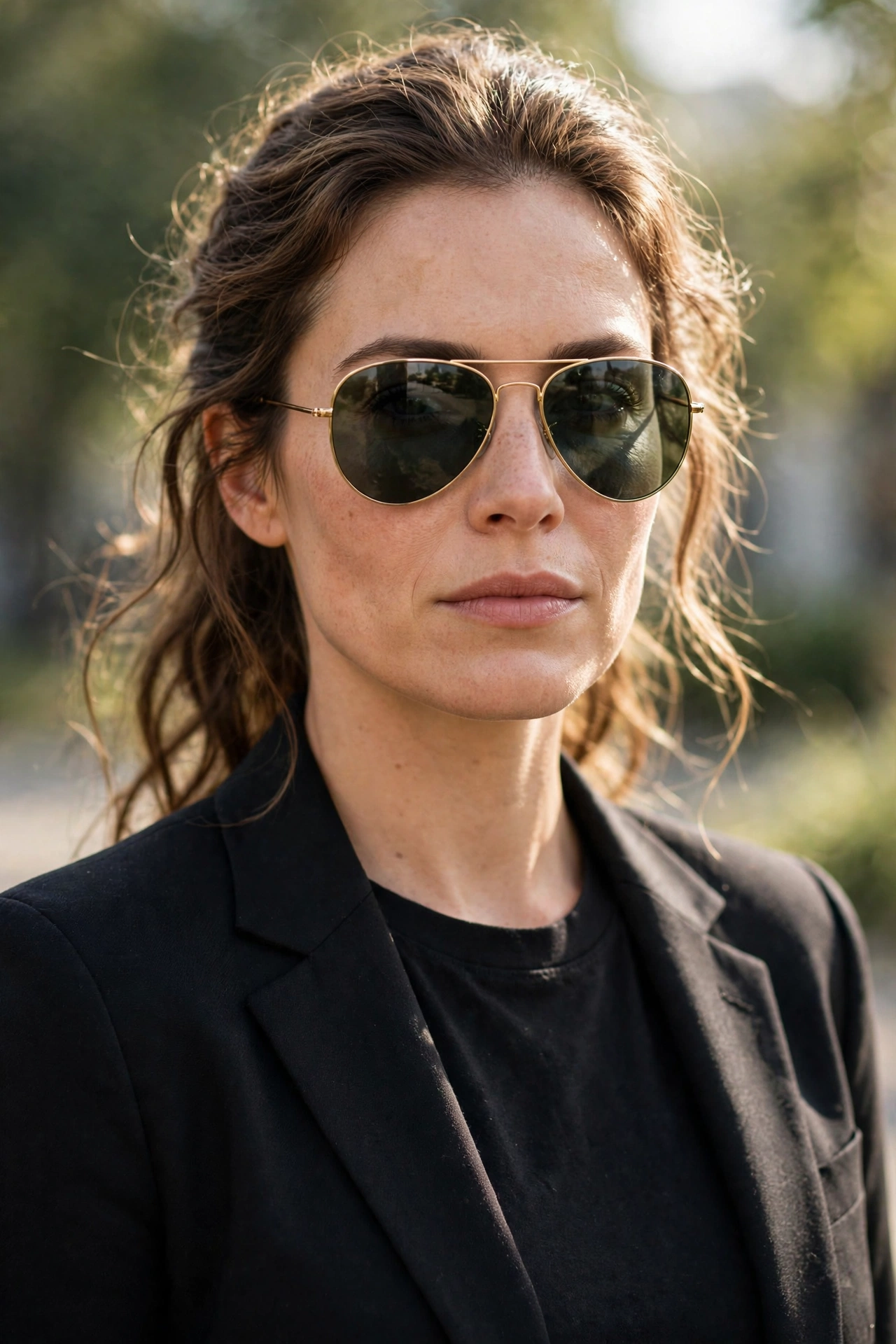
Start here. A structured blazer — navy, charcoal, or black — balances beautifully against the soft teardrop curve of an aviator lens. Gold frames with green or grey lenses read polished without trying too hard, and the look works from a workday commute to weekend brunch. Keep the frame medium, around 55–58mm. Oversized lenses can swallow a slim blazer and make the outfit look top-heavy.
2. A knit under the blazer
A soft sweater under a relaxed blazer, finished with aviators, is my favourite cool-weather mix. The contrast of textures — wool, suiting fabric, and cool metal — is what makes it rich. Try warm bronze or copper frames here instead of classic gold; they pick up the tones in camel, rust, and forest-green knits. A cream cable-knit under an unstructured camel blazer with bronze aviators is simple, warm, and always gets noticed.
3. Oversized frames with a turtleneck
A fitted black, navy, or chocolate turtleneck creates a clean column, and oversized aviators become the focal point of the face. It is an old-Hollywood, off-duty look that takes thirty seconds to put together. Silver or gunmetal frames feel modern, gold feels vintage. Keep jewellery minimal — big lenses are already a statement, and a chunky necklace underneath them crowds the face.
4. Gradient lenses for softer light
Dark lenses are not always the answer, especially on overcast days or in low winter sun. Gradient lenses, darker at the top and lighter at the bottom, show more of your eyes and feel much more forgiving. They are perfect for long lunches, garden parties, and days when sunglasses come on and off. A brown or amber gradient with rose-gold frames is especially flattering with warm-toned knits.
5. Matte black frames with monochrome outfits
Matte black aviators change the personality of the frame completely. Where gold says vintage glamour, matte black says sharp and modern. Wear them with one colour head to toe — all black, all grey, or all cream — and the whole outfit forms one clean, confident line. A black turtleneck, grey wool blazer, black trousers, and matte black aviators: four pieces, five minutes, and it looks planned.
6. Double-bridge frames with an oversized blazer
Double-bridge aviators, with two bars across the top instead of one, have a bolder, retro character. They hold their own under big shoulders, where a slim single-bridge frame can look lost. Pair them with an oversized beige blazer over a ribbed knit top and jeans, with loafers or clean sneakers. The result sits right between polished and relaxed.
7. Mirrored lenses with a simple knit
Mirrored aviators are the boldest move, so let everything else stay quiet. A plain grey or white sweater, jeans, and clean sneakers give the lenses a blank canvas. Blue or silver mirrors feel fresh and sporty; rose-gold mirrors feel playful. Because every eye goes straight to your face, prints, loud patterns, and heavy accessories on top of mirrored lenses tip the look from striking to busy.
8. Gold frames with warm autumn knits
Classic gold aviators with green or brown lenses were practically made for autumn. The warm metal sits happily against rust, mustard, camel, burgundy, and chocolate — the whole fall palette. A rust knit, a dark wool coat, and gold aviators is the combination I reach for most from October onwards, and it photographs beautifully. If you buy only one pair, make it this one.
9. Silver frames with cool-toned knits
Silver or chrome frames belong with cool tones: grey, navy, ice blue, and black. A grey marl knit under a navy blazer with silver aviators is the crispest version of this look, and it is lovely in spring when the light is bright but you still need a jacket. Silver also suits cooler colouring — pink undertones, ashy hair — where gold can look a little yellow. Try both metals in natural light before you decide.
Face-Shape Guidance: Finding Your Most Flattering Fit
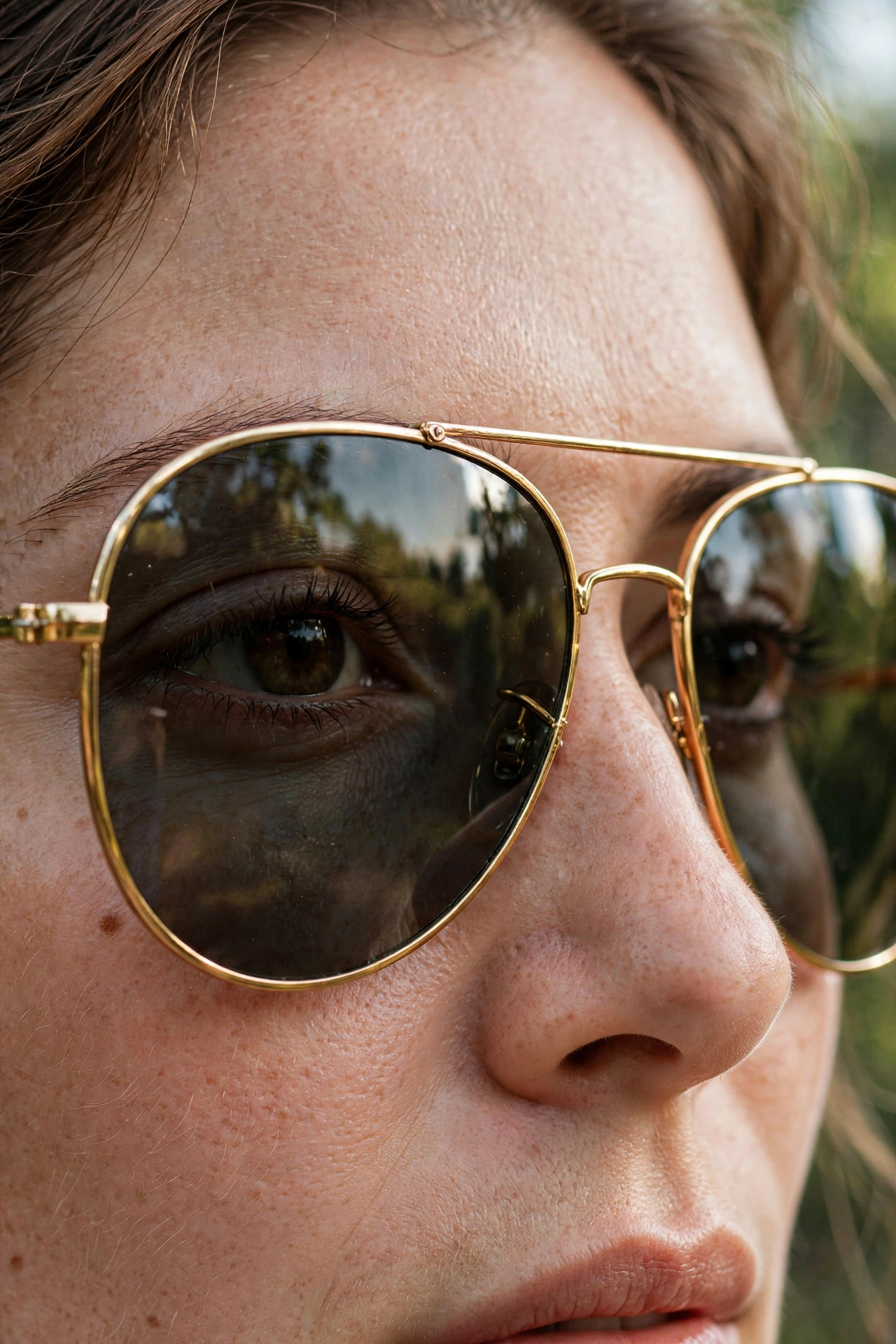
Round faces do best with larger, wider aviators, because the angular teardrop shape adds definition and makes the face look longer. Square and heart-shaped faces look best with medium, slightly rounded aviators that soften strong lines instead of sharpening them further.
Oval faces can wear almost any size, though very oversized frames can still overwhelm small features. If your face is long, avoid narrow aviators, which stretch it further; a wider lens balances it. One rule works for everyone: the top bar should sit just below your eyebrows, not cover them. Frames that swallow the brows look wrong on every face.
Step by Step: How to Choose the Right Frame Size and Lens
Step 1: Check the lens size
Lens width is printed inside the temple arm — 55, 58, or 62 millimetres are common. Small to medium faces suit 55mm. Medium to larger faces suit 58mm. The 62mm size is a deliberate oversized statement and only really works on larger faces. If you are between sizes, go down. Slightly small looks fine; slightly big looks borrowed.
Step 2: Test the bridge and temples
The glasses should rest on your nose without sliding, and the arms should touch your temples without squeezing. If they slip when you smile, they will slip all day. Adjustable nose pads, standard on most aviators, let you lift the frame so the lens does not sit on your cheeks.
Step 3: Pick the lens colour for your life
Green-grey lenses give the truest colours and are the classic bright-sun choice. Brown and amber improve contrast in changing light, which makes them practical in winter too. Gradient lenses suit driving and mixed indoor-outdoor days. Grey lenses cut brightness without shifting colour, which is why photographers often prefer them.
Step 4: Check UV protection before you fall in love
Whatever the style, lenses must block 100% of UVA and UVB. Look for “UV400” stated clearly by the seller. Cheap pairs with no rating can be worse than nothing, because the dark tint widens your pupils while UV passes straight through. Polarised lenses are a useful bonus for glare on roads and water, not a requirement.
Buying Smart: Budget, Quality, and Care
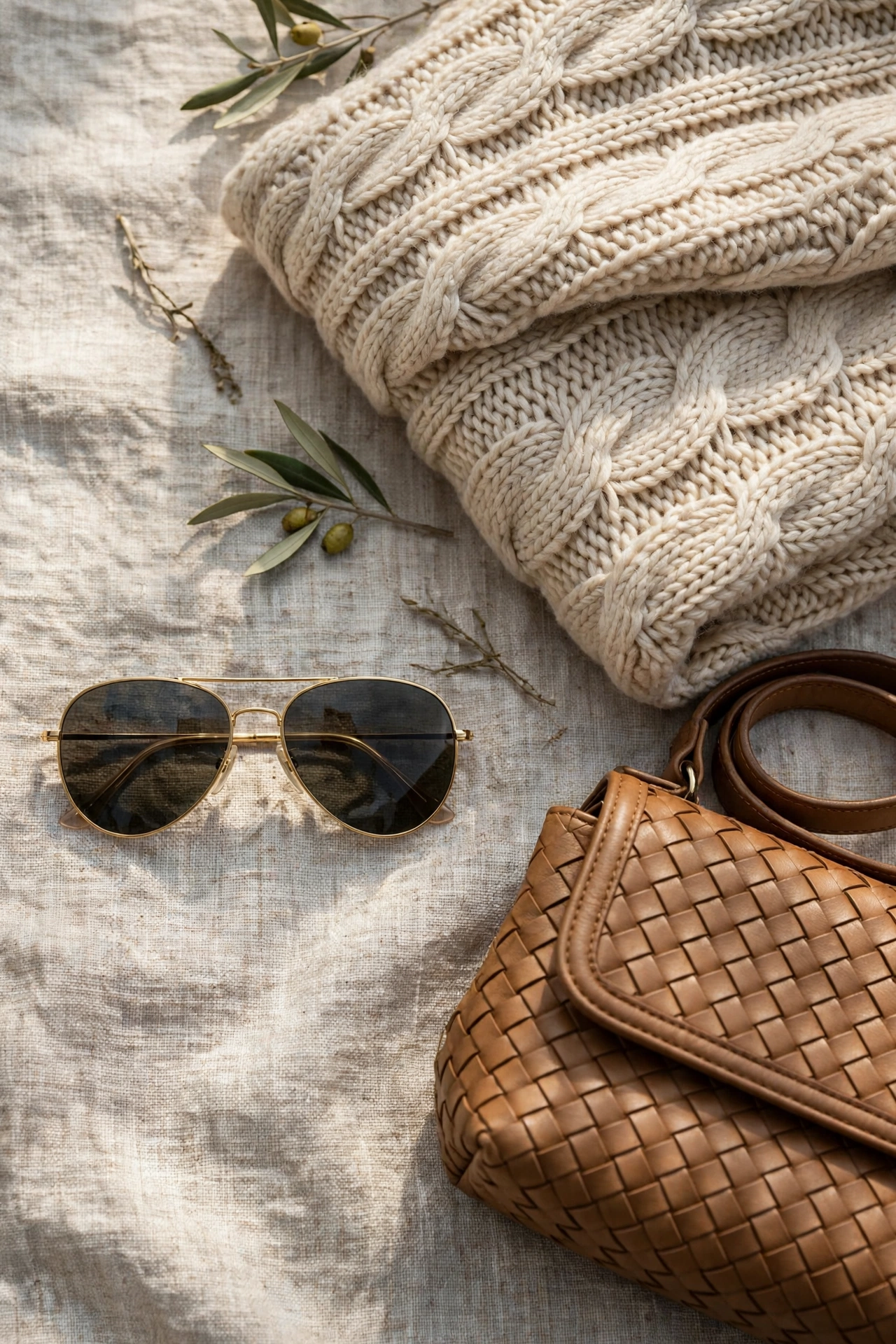
Under $30, you can still find decent frames with proper UV400 lenses if the rating is stated plainly. The $50–$120 range usually brings better hinges, adjustable pads, and lenses that survive daily wear. Above $150, you are paying for glass lenses, good coatings, polarisation, and frames that can be repaired instead of replaced. If you wear sunglasses daily, that upgrade can last a decade. If a mirrored pair is just for fun twice a month, the budget tier is sensible.
Care is simple, and most people get one part wrong: rinse lenses under water before wiping them. Dry-wiping grit across a lens is what causes scratches. Use the microfibre cloth from the case, never a shirt or paper towel. Store aviators folded in a hard case, not loose beside keys in a bag, and never leave them on a hot dashboard, where heat can warp frames and damage coatings.
Common Mistakes to Avoid
The biggest mistake is wearing aviators with absolutely everything, which makes them invisible instead of effective. They are a style tool, not a uniform. On a rainy evening, indoors, or with a formal dress, they can look out of place rather than cool. Let them come out when the sun and the outfit both invite them.
Another common error is stacking strong accessories — statement necklace, big earrings, printed scarf, and bold frames all fighting around one face. Pick the glasses or the necklace, not both. Aviators with a baseball cap also push a look towards sporty errands; fine for a Saturday morning, less so when the outfit is meant to be polished. Finally, very dark lenses at dusk make you squint through your own sunglasses. A lighter or gradient pair for low-sun seasons keeps the styling intentional all year.
Frequently Asked Questions
Do aviator sunglasses suit small faces?
Yes, if you choose the right size. Stick to 55mm lenses so the frames cover roughly the middle third of your face. The teardrop shape is naturally slimming and lengthening, which flatters smaller faces more than oversized round frames do.
Can I wear aviators with formal office wear?
Absolutely — they are one of the easiest styles to pair with a suit or blazer. Choose classic gold or silver frames, neutral lenses, and a medium size, and wear them outdoors or on the commute. Mirrored or brightly tinted pairs can feel too casual for conservative offices.
Are glass lenses better than plastic lenses?
Glass resists scratches better and gives slightly clearer optics, which is why premium aviators still use it. Polycarbonate is lighter, cheaper to replace, and more impact-resistant, so it suits active use. For everyday wear, either is fine as long as it carries a proper UV400 rating.
How do I stop aviators sliding down my nose?
Start with adjustable silicone nose pads, which grip better than hard plastic. If the arms feel loose, an optician can tighten the temple curve in about a minute, often for free. For a flatter bridge, look for low-bridge fit models, which sit higher by design.
What is the difference between classic and oversized aviators?
Classic aviators have 55–58mm lenses in the original balanced teardrop shape. Oversized versions run 60–62mm or more and cover much more of the face. Classic sizes suit daily and formal wear; oversized pairs are a fashion statement best kept with simple clothes.
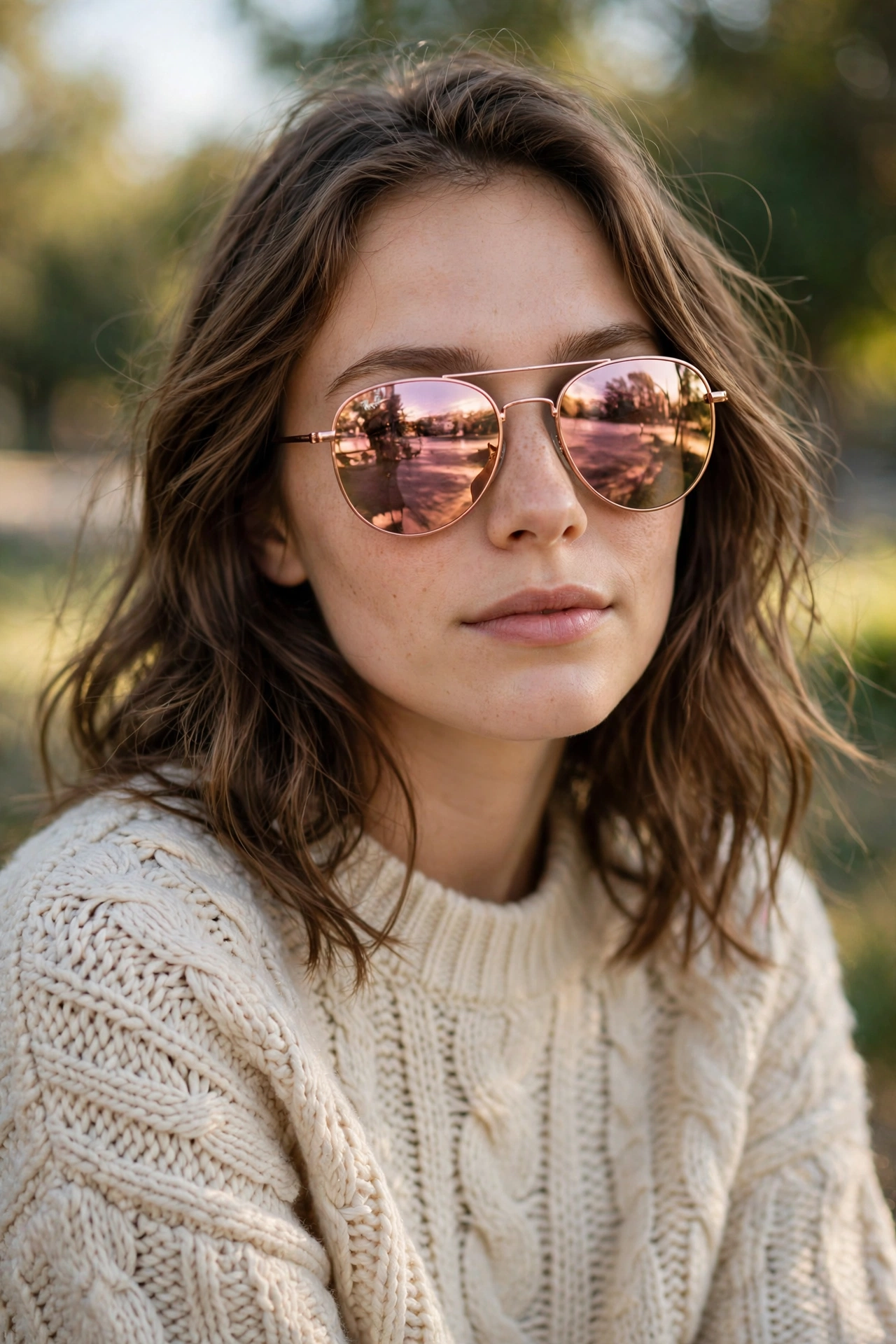
Aviators have lasted nearly a century because they make you look more pulled together in three seconds, without costing a fortune. Get the size right, choose a lens for the light you live in, and give the glasses room to breathe. One good pair will earn its keep for years.