Open shelves divide kitchen opinion like nothing else. One side sees airy walls, everything within reach, and a room that feels twice its size. The other side sees dust, grease, and nowhere to hide the mismatched plastic boxes. The honest truth about kitchen open shelving pros and cons is that both sides are right — it depends on what you cook, what you own, and how you feel about a two-minute daily wipe. This guide lists the real advantages, the real drawbacks, who should choose shelves and who should not, and how to run them so they stay on the right side of the argument.
A useful starting point: open shelving does not have to be all or nothing. Many of the calmest kitchens mix a short run of shelves for daily things with closed cabinets for everything else, and that hybrid answers most of the objections on both sides.
Table of Contents
The Pros: Why Kitchen Open Shelving Pros and Cons Lists Start With Light and Space
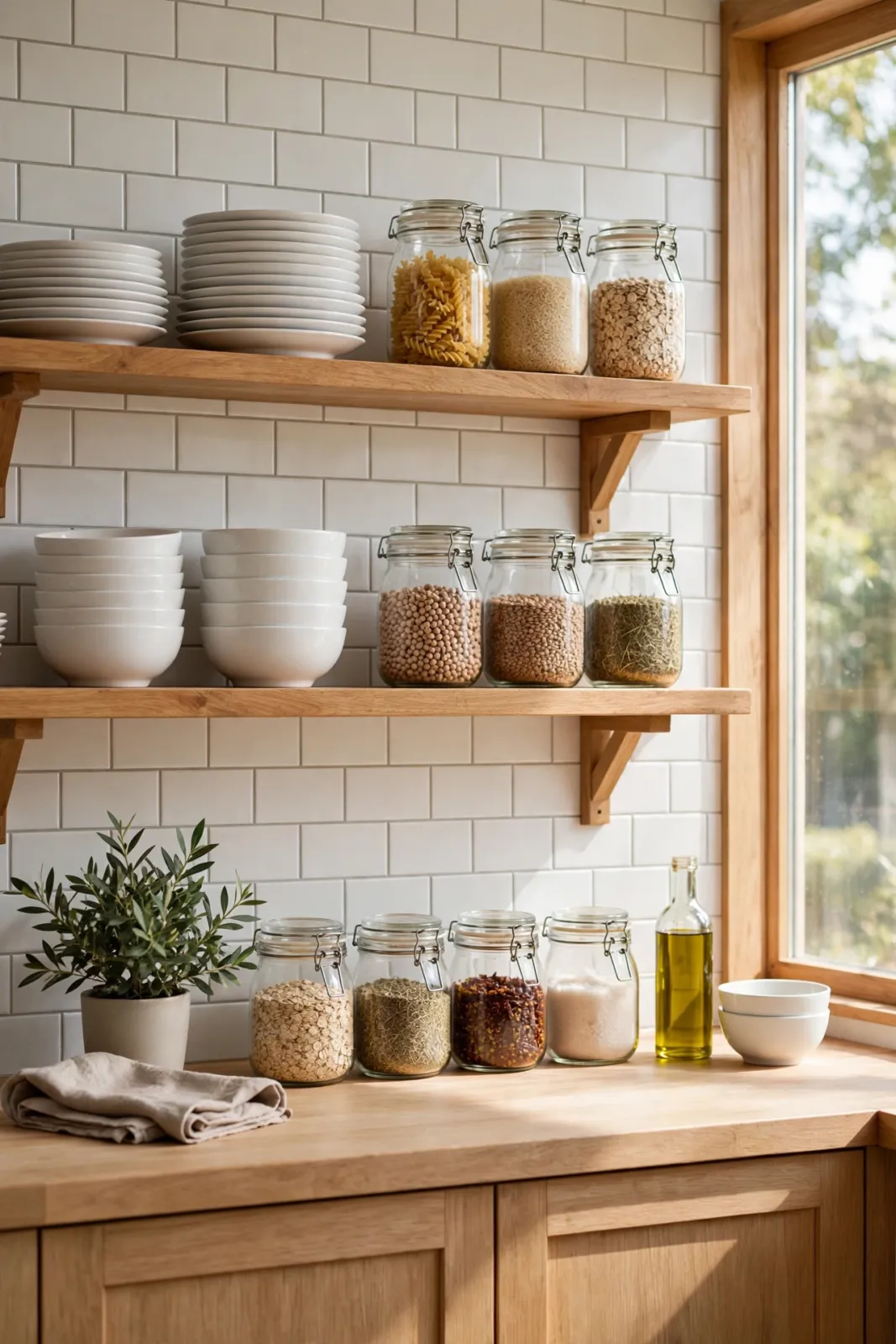
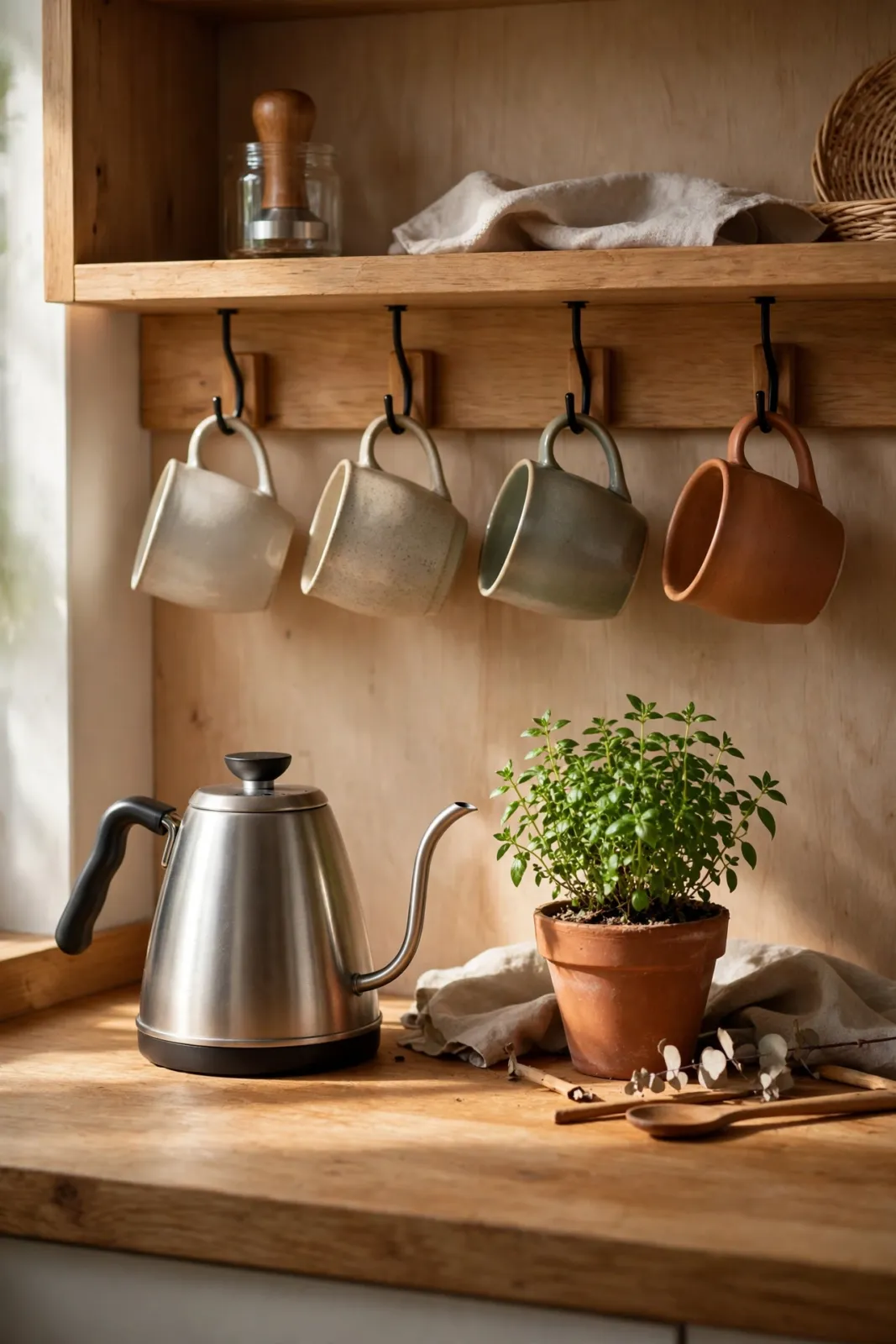
In any honest list of kitchen open shelving pros and cons, the first advantage is visual space. Upper cabinets are boxes that project from the wall and shadow the worktop; shelves return that wall to the room. In a small kitchen layout, removing uppers on one wall can make the room feel wider and the worktop brighter, especially near a window.
It is the same principle behind small living room layout ideas: fewer bulky boxes on the wall, and more light and breathing room at eye level.
The second is speed. Plates, glasses, and the pans you use daily sit in plain sight and in easy reach, with no door to open with wet or floury hands. Guests can find a mug without a guided tour. That everyday ease sits at the heart of kitchen open shelving pros and cons. The third is cost: solid shelves and good brackets cost a fraction of fitted wall cabinets, and they can be installed in an afternoon rather than a fitting week. Finally, shelves force a gentle honesty about what you own. Daily things earn their place; the gadget used twice a decade quietly leaves.
The Cons: Dust, Grease and the Storage You Lose
Now the other side of kitchen open shelving pros and cons, stated plainly. Everything on an open shelf collects dust, and near a hob it collects a film of cooking grease as well. Items used daily wash themselves by rotation; the vase and the good platter at the back do not. Expect a quick wipe of shelves weekly in a cooking-heavy home.
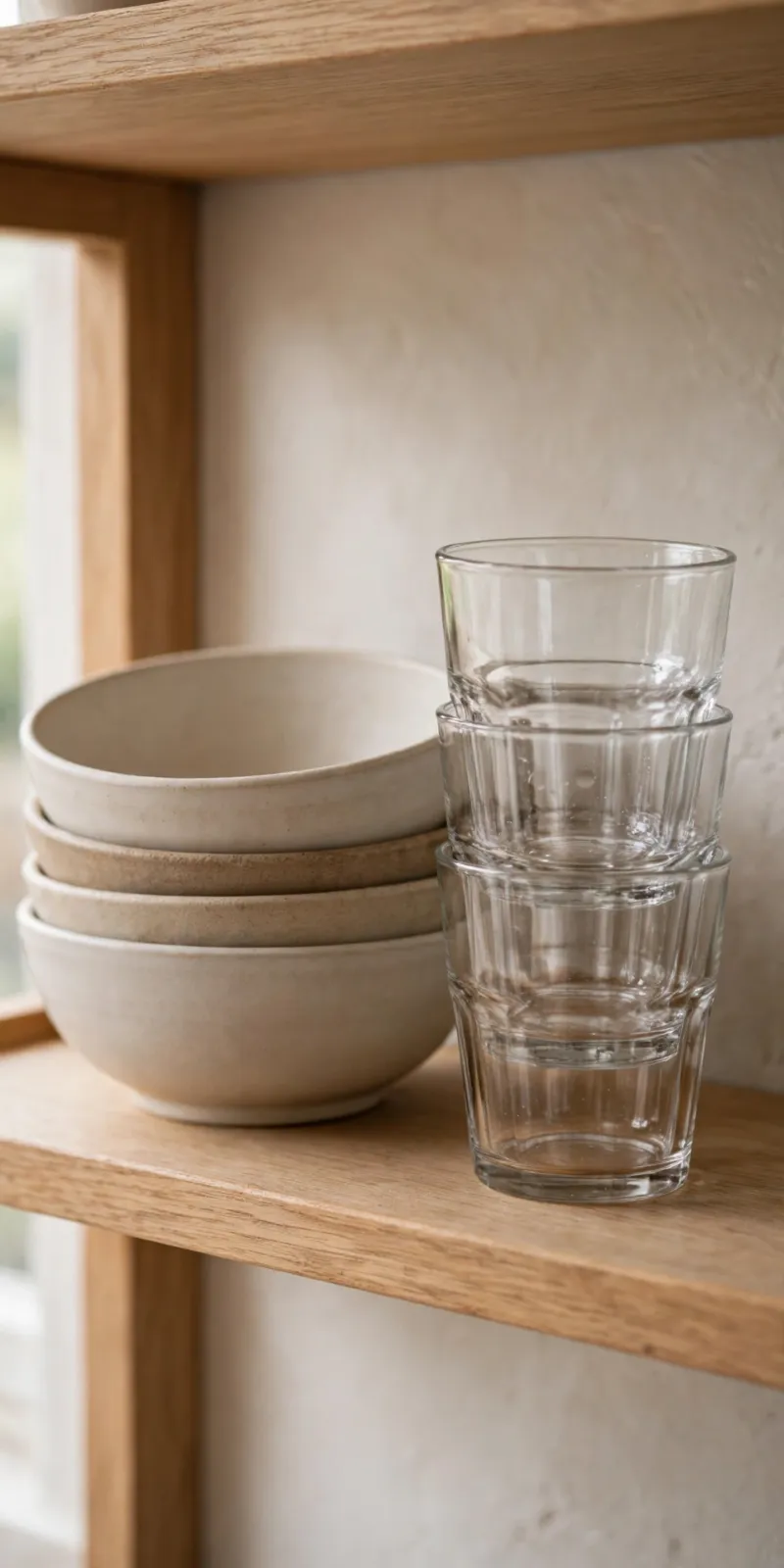
On the storage side of kitchen open shelving pros and cons, shelves store less per metre than cabinets. Stacking is limited by what looks calm, and there is no door behind which to keep the blender, the food processor, and the tower of plastic tubs. Visual noise is the third drawback: packaging, labels, and mixed colours are on permanent display, so shelves suit people who are happy to decant into jars and keep a limited palette of everyday ware. If the sight of a busy shelf bothers you at breakfast, believe that feeling now, not after the cabinets come down.
Who Open Shelving Suits — and Who It Does Not
This is where kitchen open shelving pros and cons become personal. Open shelves suit small households that cook from a short list of ingredients, own more plates than gadgets, and already keep worktops clear. They suit renters less often than owners, because removing cabinets is a landlord conversation, though a shelf added on a free wall above nothing is usually harmless.
They do not suit batch cooks with twenty spices in branded packets, families storing baby equipment and bulk buys in the kitchen, or anyone whose honest cleaning rhythm is monthly rather than weekly. None of that is a character judgement; it is a fit question, and closed cabinets are the right answer for plenty of good kitchens. For those kitchens, kitchen open shelving pros and cons point firmly towards doors.
How to Set Up Open Shelves That Stay Tidy, Step by Step
Step 1: When you test kitchen open shelving pros and cons in your own home, choose one wall or one short run first. Live with it for a month before deciding on more.
Step 2: Fix shelves at reachable heights: daily shelves between worktop and eye level, lighter and rarer things above.
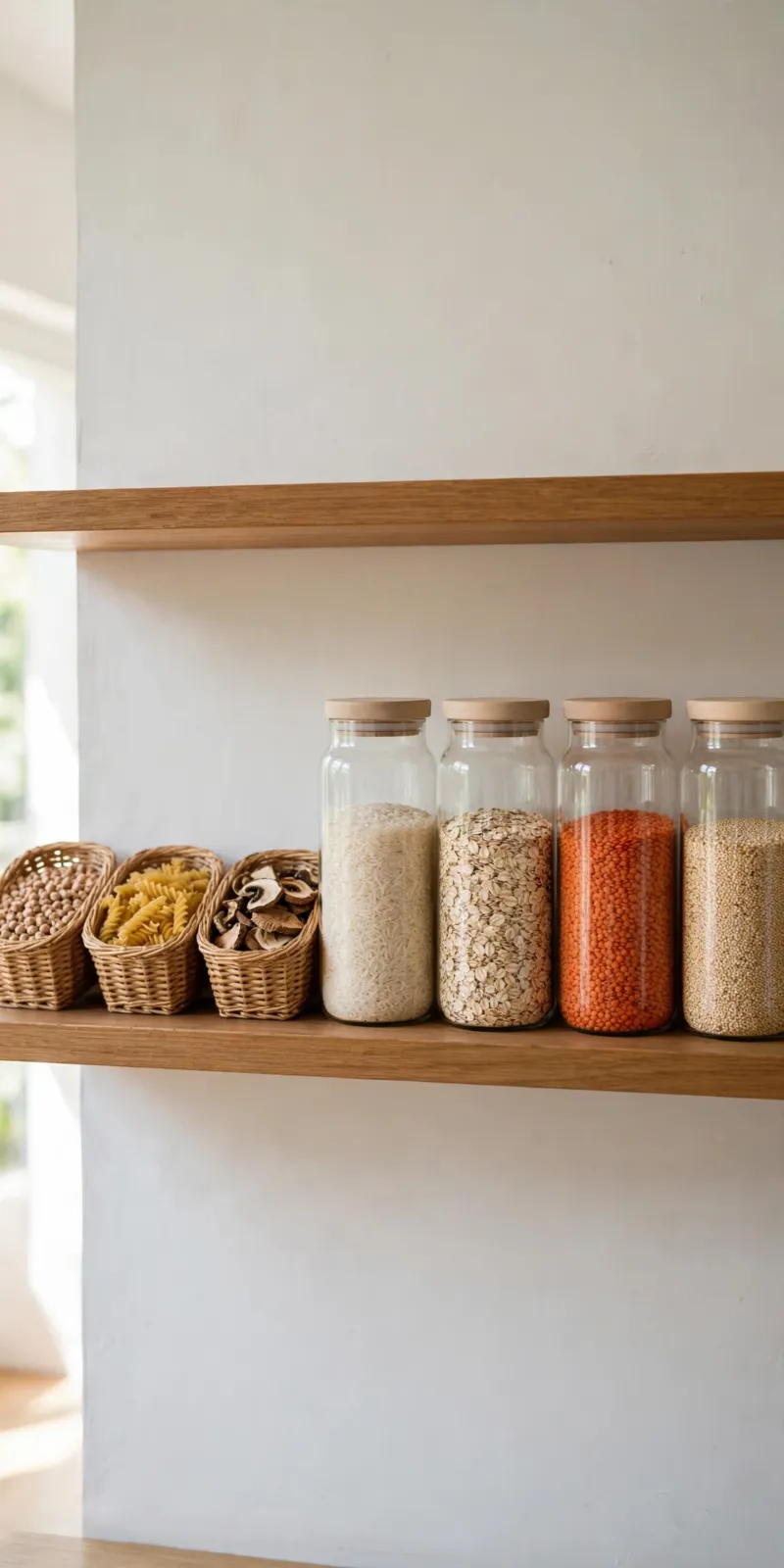
Step 3: Stock by frequency, following the same decant-and-label approach used in good pantry and kitchen storage organisation: daily plates and glasses low, jars in the middle, pretty and rare at the top.
Step 4: Keep one shelf deliberately half empty. Breathing room is what separates a styled shelf from a crowded one.
Step 5: Put the cleaning rhythm in place from day one: a microfibre wipe of each shelf while the kettle boils, once or twice a week.
What It Costs: Budget and Buying Advice
On cost, kitchen open shelving pros and cons are one-sided: shelves are the budget-friendly option by a wide margin. Two or three solid wood or good laminate shelves with rated brackets can cost less than a single wall cabinet, and they need no fitting team. Spend the saving on the brackets and fixings: shelves loaded with stoneware are heavy, and brackets must go into studs or proper wall plugs for the wall type, not into plaster alone.
If you are removing existing cabinets, keep them. Store them flat in a garage or offer them for reuse; if open shelves disappoint, the experiment is reversible within a weekend, and if they delight, the cabinets find a second life in a utility room. Buy jars and baskets only after a month of living with the shelves, when you know exactly what needs containing.
Common Open Shelving Mistakes to Avoid
Most kitchen open shelving pros and cons problems are easy to avoid. The first mistake is shelving the wall above the hob at full depth, where grease lands fastest and steam warps contents. Keep that stretch for a rail of utensils or leave it clear. The second is spacing shelves for the tallest item you own rather than the things you use daily, which wastes vertical room and invites clutter stacks.
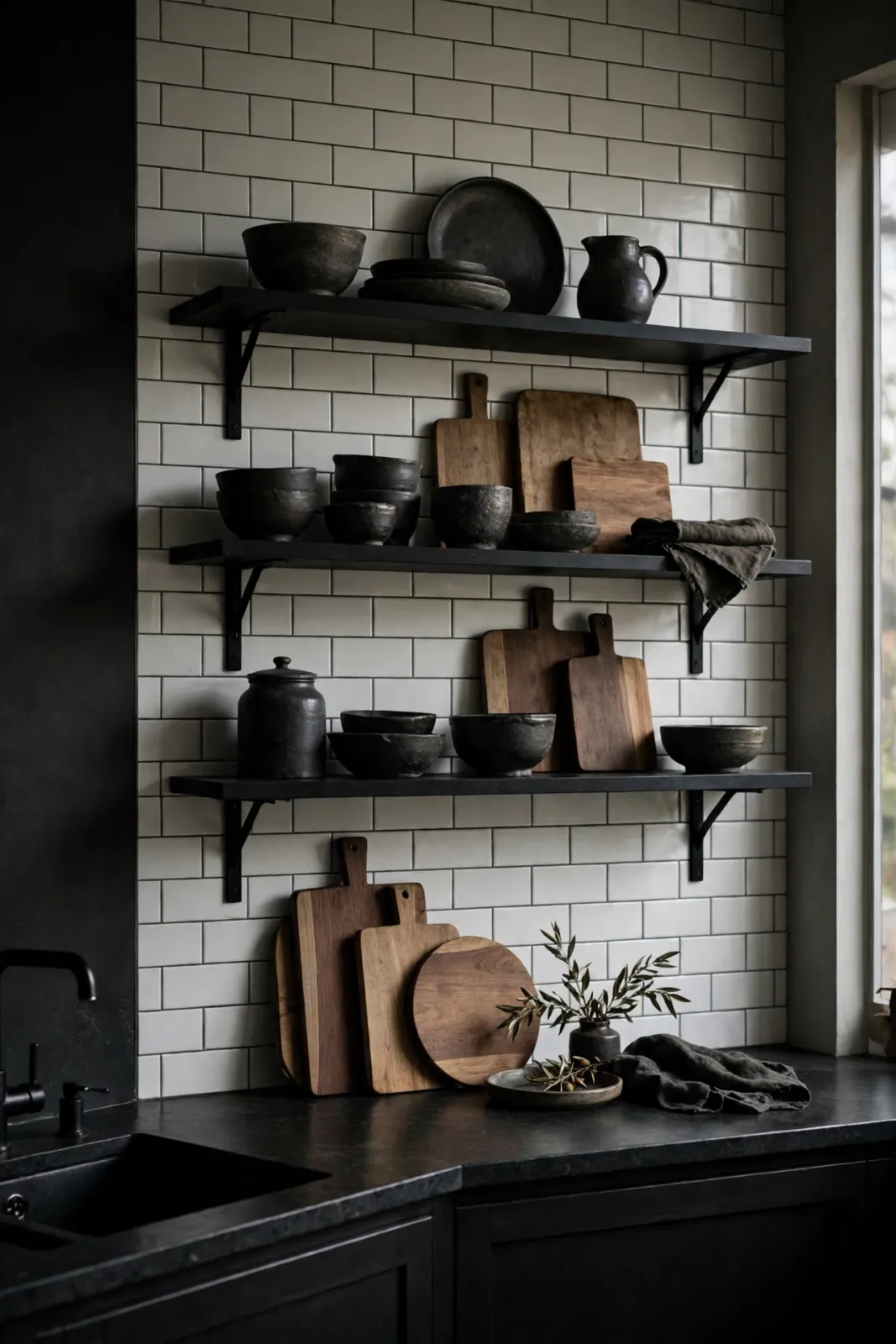
Also avoid displaying every colour you own. Limit daily ware to two or three tones and let one shelf hold the bright pieces as an accent. Finally, do not skip the dust test before committing: leave a white plate on top of an existing cabinet for two weeks. What lands on it is what will land on your shelves, and it is better to learn that before the drill comes out.
Frequently Asked Questions
Do open shelves get very dusty? They collect ordinary household dust at the same rate as any surface, plus a greasy film near the hob. Items in daily use are washed by rotation; decorative pieces at the back need a weekly wipe in a busy kitchen. For many homes, dust is what finally decides kitchen open shelving pros and cons.
How much storage do I lose compared with wall cabinets? Roughly a third to a half on the same wall, because shelves cannot be stacked full or hide awkward shapes. That loss ranks high in kitchen open shelving pros and cons for larger households. Most households recover the difference by editing what they keep and using one closed cabinet or a dresser for appliances.
What should go on open kitchen shelves? Daily plates, bowls, glasses, mugs, cooking oils in plain bottles, and jars of dry goods. Keep packets, plastics, cleaning products, and rarely used appliances behind doors.
Can open shelving work in a small kitchen? It is often at its best there, because it returns light and visual space. Keep the run short, the palette calm, and the lowest shelf clear of anything that splashes from the sink or hob.
How deep should kitchen shelves be? Around 25–30 cm suits plates and jars without shadowing the worktop. Deeper shelves push things behind each other and recreate the lost-at-the-back problem shelves were meant to solve.
The Verdict: Shelves for the Right Kitchen
Weighed fairly, kitchen open shelving pros and cons come down to rhythm, not taste. If your kitchen life is daily, simple, and wiped as you go, shelves will feel like freedom. If it is busy, bulky, and cleaned in weekend bursts, doors will serve you better. Choose for the cook you are, start with one wall, and let a month of real mornings decide the rest. That month, honestly lived, settles kitchen open shelving pros and cons better than any showroom visit.