Table of Contents
Students rarely get a room of their own, but concentration does not need a room — it needs a consistent corner, decent light and a surface that belongs to study alone. A thoughtfully built study nook for students at home gives homework, revision and online classes a fixed home, so books stop migrating across the house and focus starts the moment the chair is pulled in. This guide covers choosing the spot, the desk and light setup, storage for books and supplies, distraction control, and how to make the nook grow with the student from school years to university.
The secret is not size. It is that the nook is always ready, always the same, and clearly not for anything else. That is the quiet power of a study nook for students at home.
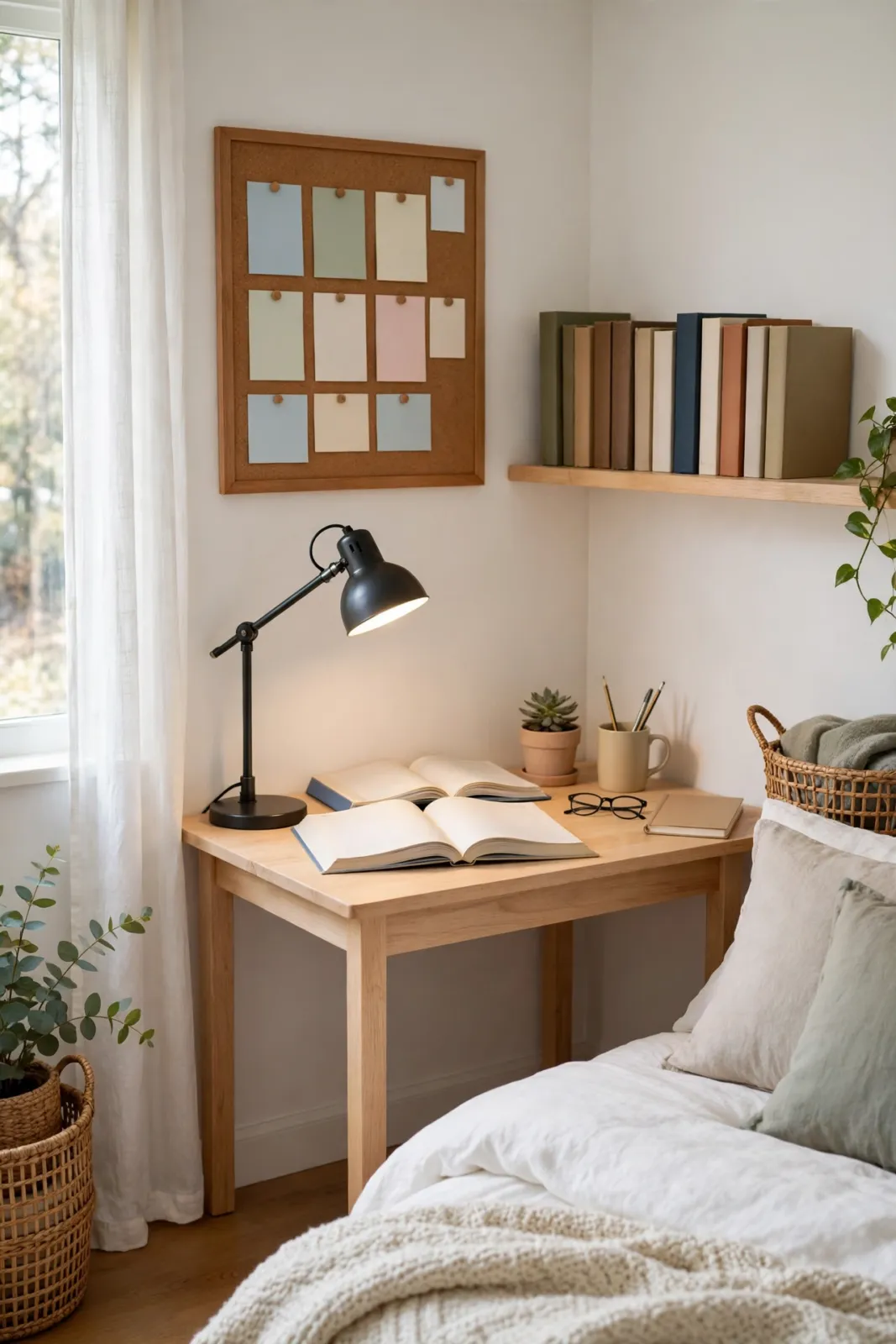
What Makes a Study Nook for Students at Home Actually Work
Three things decide whether a nook gets used: comfort, light and ownership. A desk at the right height with a chair that supports an hour of sitting, light that falls on the page without shadows from the writing hand, and a space the student can arrange and keep as theirs. The traditional study was a private room for reading and writing; the nook keeps the same purpose at the scale of a single wall.
Consistency does quiet psychological work. Studying in the same spot trains the brain to switch into focus the way a bed trains sleep. A nook used for gaming, snacks and homework in rotation never builds that association, which is why the rules of the nook matter as much as its furniture. A study nook for students at home turns that training into a daily habit.
Choosing the Spot: Quiet, Light and Away From Traffic
Look for the least-walked-past corner in the home: a bedroom corner away from the bed, a landing wide enough for a desk, the far end of a dining room, or a section of a wide hallway. Avoid facing a television or the kitchen’s activity. A window to the side is a gift — daylight for daytime study and a view to rest eyes on — but a window directly ahead can tempt daydreaming in younger students; a wall ahead with a pinboard is often calmer. The right corner makes a study nook for students at home feel calm from day one.
Test the spot at real study hours: sit there at homework time and listen. The quietest corner at noon may sit beside the evening’s busiest room. Check Wi-Fi strength for online classes, and make sure a socket is reachable for the lamp and laptop without a cable crossing a walkway. Ten quiet minutes of testing can save a study nook for students at home from months of frustration.

Desk, Chair and Light: The Non-Negotiables
A desk 90 to 110 centimetres wide gives a student room for a laptop or textbook plus an open notebook side by side; 55 centimetres of depth keeps everything in reach. Wall-mounted folding desks suit tiny corners and close away in shared rooms. The chair should let feet rest flat with the back supported — an adjustable chair is ideal for growing students, but a firm cushion and a footrest box achieve the posture cheaply. Sized well, the desk anchors the whole study nook for students at home.
Light deserves real attention because students study most in the evening. A task lamp with an adjustable arm, placed on the opposite side of the writing hand, lights the page without shadow or glare. Warm-white bulbs around 4000K feel alert without the harshness of blue-white light. Overhead room light alone leaves the page in the student’s own shadow — the lamp is not an accessory, it is the point. Good light is what makes a study nook for students at home work after dark.
The desk itself has carried students for centuries in roughly the same form — a flat surface, storage close by, a place for light — because the needs have not changed: page, pen, book, lamp, quiet.
Storage That Keeps Books and Supplies in Reach
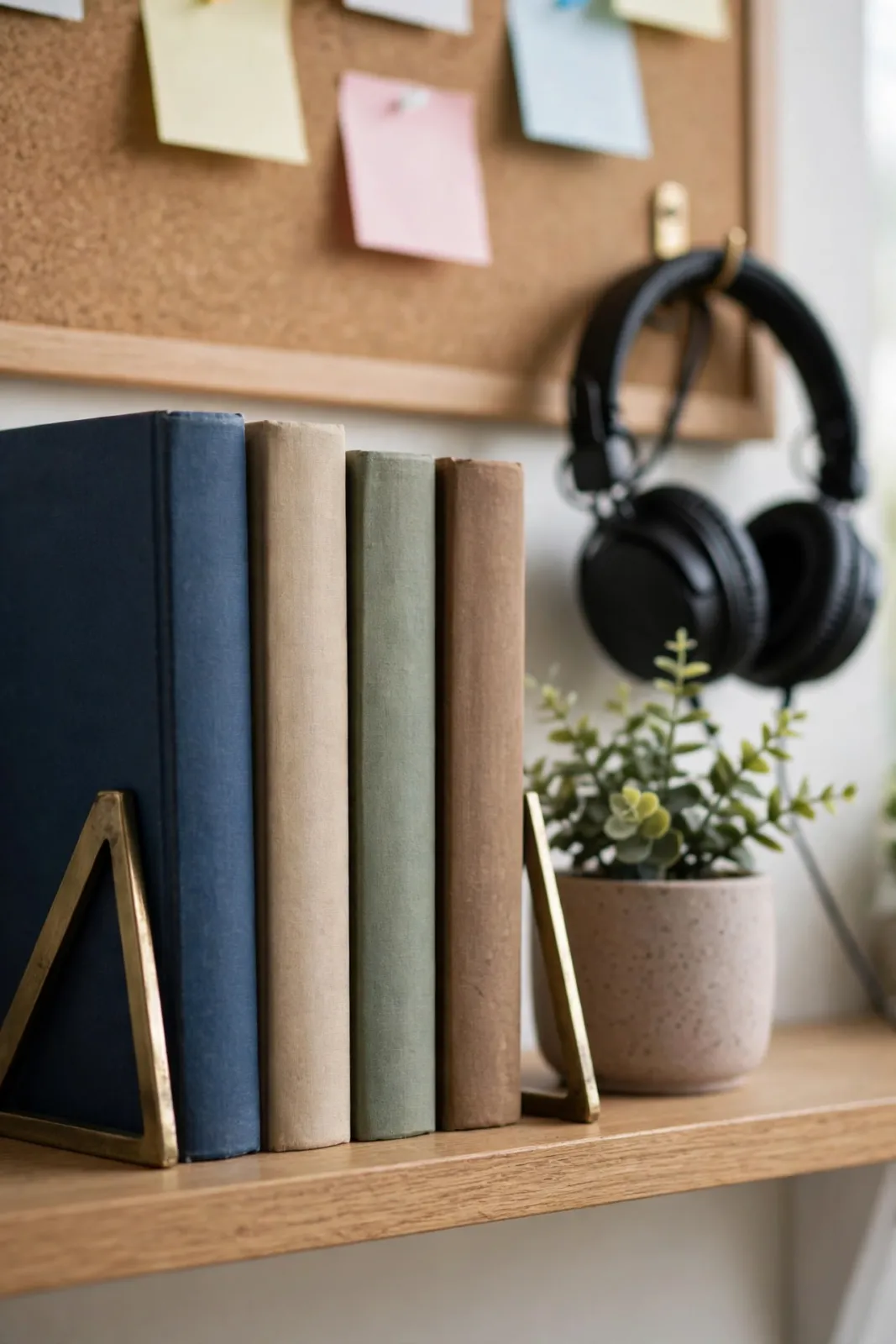
Everything for study should live within arm’s reach of the chair, or it will live on the desk in piles. One shelf above or beside the desk holds current textbooks upright with bookends; a small drawer or desktop organiser holds pens, ruler, calculator and chargers; a pinboard or wall grid takes the timetable, formula sheets and the revision plan where eyes land naturally. Reach is the rule that keeps a study nook for students at home tidy.
Finished topics and old notebooks move out — a box in a wardrobe keeps the nook for current work only. A hook for headphones and a fixed spot for the school bag beside the desk end the daily hunt for things, which is where most homework time actually leaks. A study nook for students at home stays useful when only current work lives there.
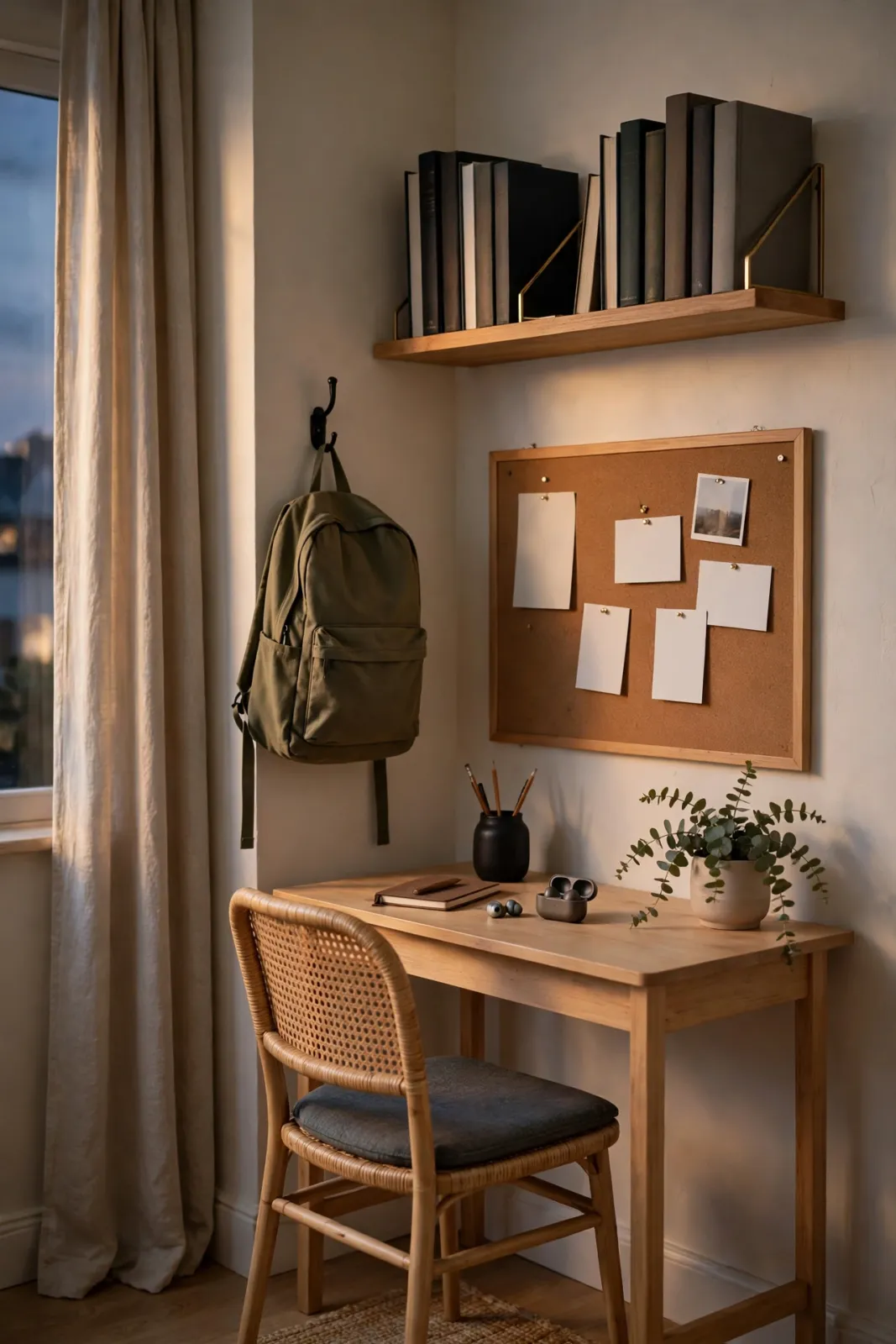
Step by Step: Setting Up the Nook This Week
First, agree the spot with the student — a nook chosen together gets used; an imposed one gets avoided. Measure and tape the footprint, place the desk and chair, and set the lamp position by actually writing a page under it. Add the shelf and pinboard at seated eye level, then stock the nook: current books, supplies, headphones, water bottle spot. Set up this way, a study nook for students at home is ready within the week.
Finish by setting the nook’s two or three rules together: study things only, phone parked elsewhere during sessions (or face-down in a drawer for older students), and a five-minute reset at the end — books upright, desk clear, chair tucked — so tomorrow’s session starts clean. Review after two weeks and adjust one thing the student asks for; ownership grows with every small choice they make. Those small rules protect a study nook for students at home from daily clutter.
Budget Setup and Smart Splurges
The nook is one of the cheapest useful corners in a home: a simple desk or wall-mounted fold-down, a decent lamp and a shelf cover most needs, and second-hand desks are plentiful and sturdy. Spend the real money on the chair and the lamp — the two items a student’s body notices for hours. A pinboard costs almost nothing and pays back every revision season. Skip novelty accessories; a small plant and a favourite photo personalise the nook better than themed stationery that is outgrown in a term. Even on a small budget, a study nook for students at home can feel complete.
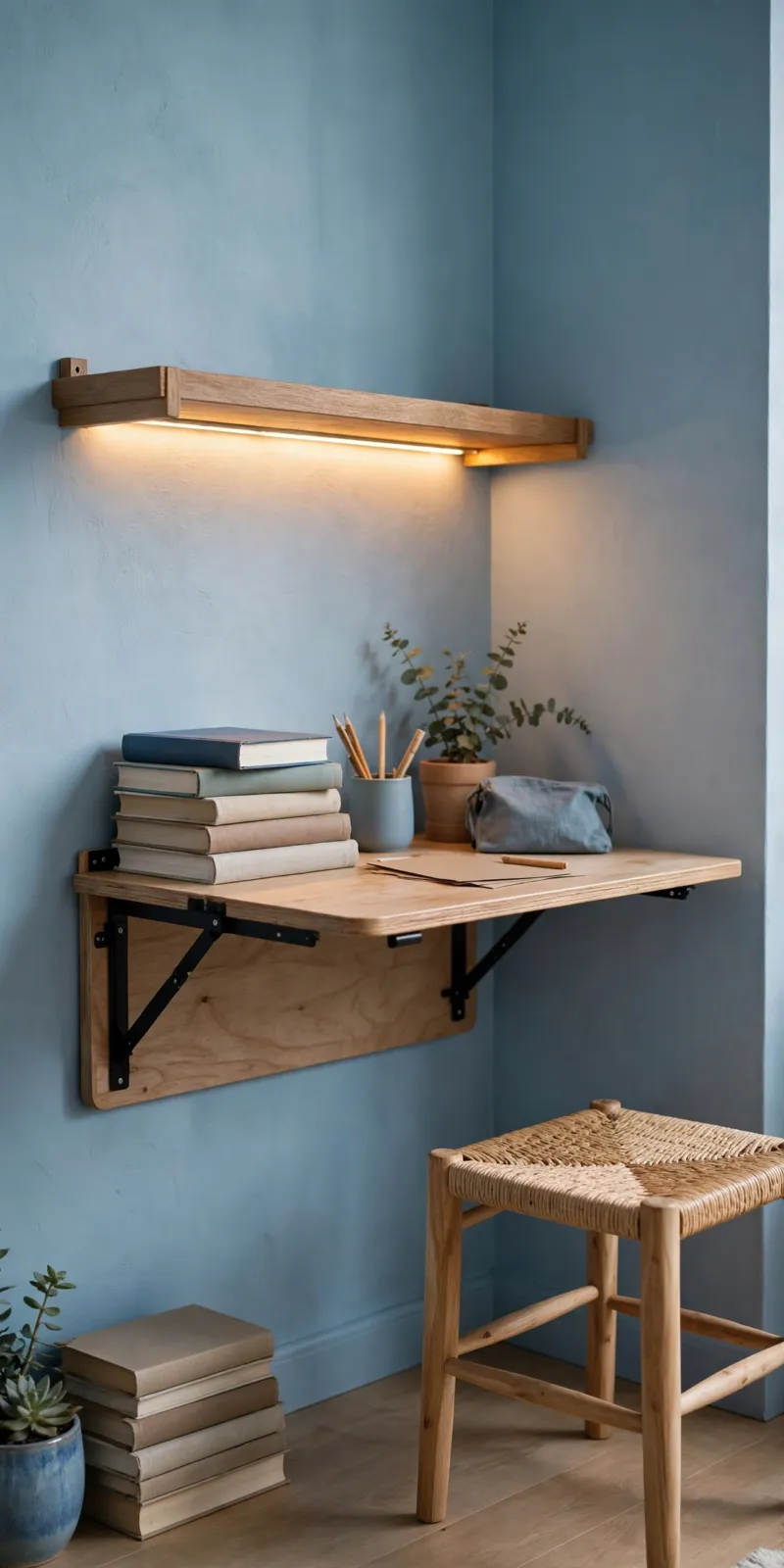
Mistakes That Quietly Ruin a Study Nook
Putting the nook on the dining table is the most common failure — it must be cleared twice a day, so study materials scatter and sessions start with ten minutes of setup. A fixed nook, however small, beats a large temporary one. Second: studying on the bed, which blurs sleep and focus in both directions. Third: light from behind a screen or only overhead, which tires eyes fast. Avoid these traps and a study nook for students at home keeps its focus.
Fourth, a nook without storage becomes a desk-shaped pile within a month. Fifth, placing younger students where the whole household walks past — supervision is good, but an audience is not. Finally, decorating for the parent’s taste instead of the student’s: the nook belongs to its user, colours, pinboard contents and all. Keeping these in mind protects a study nook for students at home from slow decline.
For more small-space corner ideas that earn their floor area, see our small living room layout ideas guide.
Frequently Asked Questions
How much space does a student study nook need?
About one metre of wall width and eighty centimetres of depth including chair space. A fold-down desk in an alcove or landing corner can work in even less, as long as the chair posture and lamp position are right. A study nook for students at home needs less room than most families expect.
Which direction should the desk face?
Toward a wall with a pinboard works best for focus, with daylight arriving from the side. Facing into the room suits students who feel isolated facing a wall, provided the view is calm and not the television. Either way, a study nook for students at home should face away from distractions.
What colour light is best for studying?
Neutral warm-white, roughly 4000K, from an adjustable lamp opposite the writing hand. It keeps contrast on the page high without the sleepy feel of very warm light or the glare of blue-white. The right light keeps a study nook for students at home comfortable for evening revision.
How do I handle phones and distractions in the nook?
Agree one rule and keep it physical: phone charges outside the nook during sessions, or sits face-down in the desk drawer. Timers for study blocks with short breaks work better than open-ended sessions for most students. Clear phone rules help a study nook for students at home stay a focus zone.
Can one nook serve two siblings?
Yes, with separate shelves or boxes per child and a simple timetable for peak hours. Personal pinboard space for each keeps ownership clear even when the desk is shared. Shared fairly, one study nook for students at home can serve the whole family.
A study nook is a small promise a home makes to a student: your work has a place here. Build it once, keep its rules light, and let it grow with them — the grades benefit, but the habit is the real prize. That is what a study nook for students at home is really for.