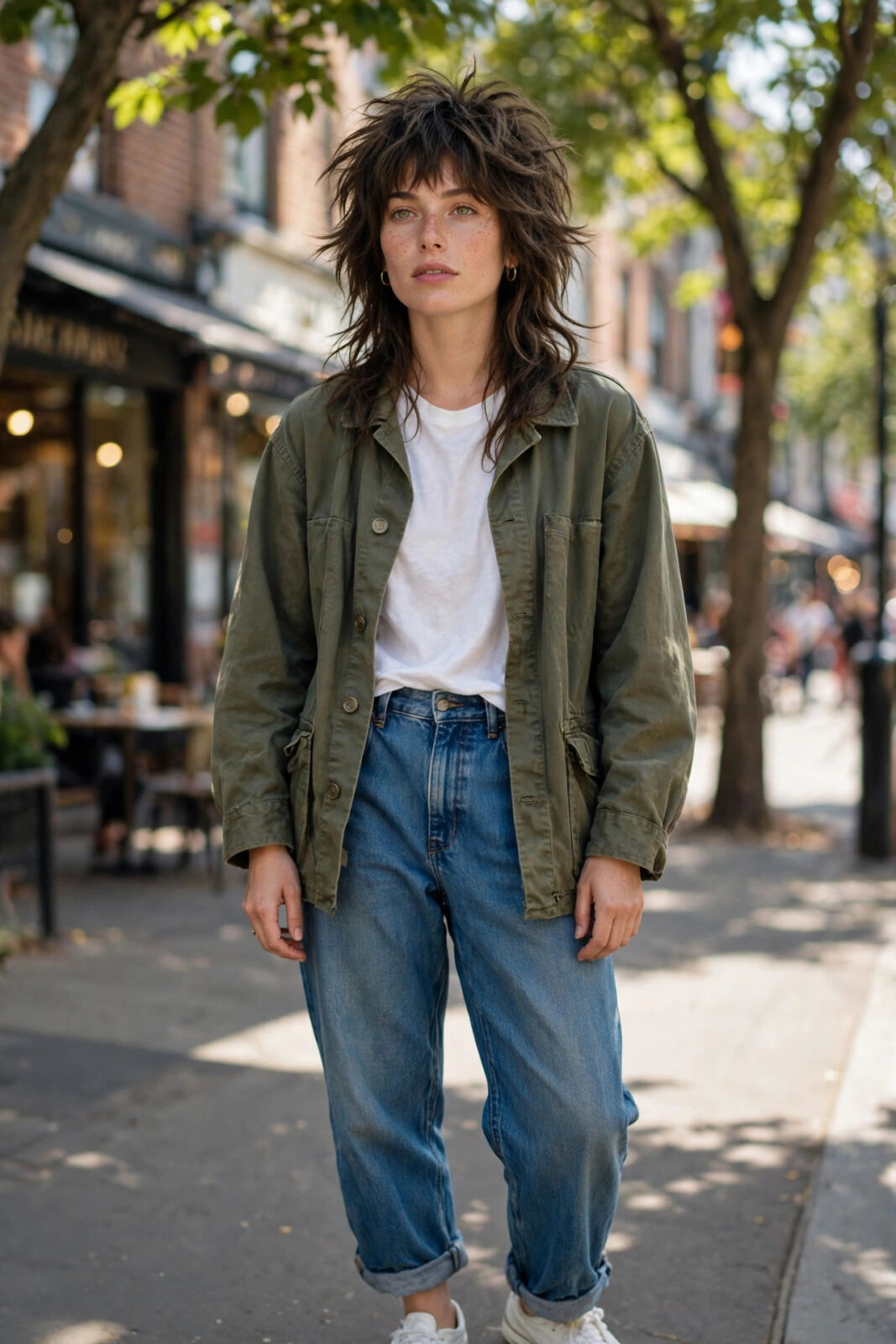
The mullet has come back, but not the one in old photographs. The modern version — tousled, shaggy, softly layered — is less costume and more attitude: short, textured layers through the crown and sides, length kept at the back, and a finish that looks deliberately undone. It is the cut people choose when they are bored of safe hair. It frames the face, it moves, and it grows out more gracefully than almost any dramatic cut I know.
If you are mullet-curious but nervous, or you already have the cut and run out of ways to wear it by day three, this guide covers both ends. Below are nine ways to style a tousled shaggy mullet, from soft and romantic to properly edgy, a step-by-step daily styling routine that takes under ten minutes, honest advice on what to ask for at the salon, and the care habits that keep layers looking shaggy rather than scruffy.
Why the Shaggy Mullet Flatters More People Than Expected
The secret is the balance of lengths. The short layers around the crown and face do the flattering work — they lift the cheekbones, open up the face and create volume where most hair falls flat — while the longer back keeps the femininity and movement that a full short cut gives away. It is a short style and a long style in one haircut.
Texture is the other advantage. A shaggy mullet is designed to look tousled, so it works with your hair’s natural behaviour instead of against it: waves get wavier, straight hair gets piecey movement, curls get shape without bulk at the sides. Fine hair gains the illusion of thickness from the layers; thick hair loses weight where it needs to. Few cuts are this cooperative once you learn their one styling routine.
1. The Everyday Tousle
This is the cut’s home setting: texture everywhere, nothing too neat. Work a pea-sized amount of lightweight texture cream through dry or barely damp hair, scrunch the crown layers up with your fingers, and let the back fall naturally. The goal is separated, piecey ends rather than smoothness. It takes five minutes and survives a whole day.
2. Soft and Romantic With Waves
For a gentler reading, add loose waves with a wide curling wand, keeping the curls away from the face and brushing them out while warm so they become movement, not ringlets. The short layers wave into a halo effect around the face while the back length flows. This is the version for dates, weddings and any event where you want the cut’s shape without its edge — proof that a mullet can do pretty as well as cool.

3. Sleek and Dressed Up
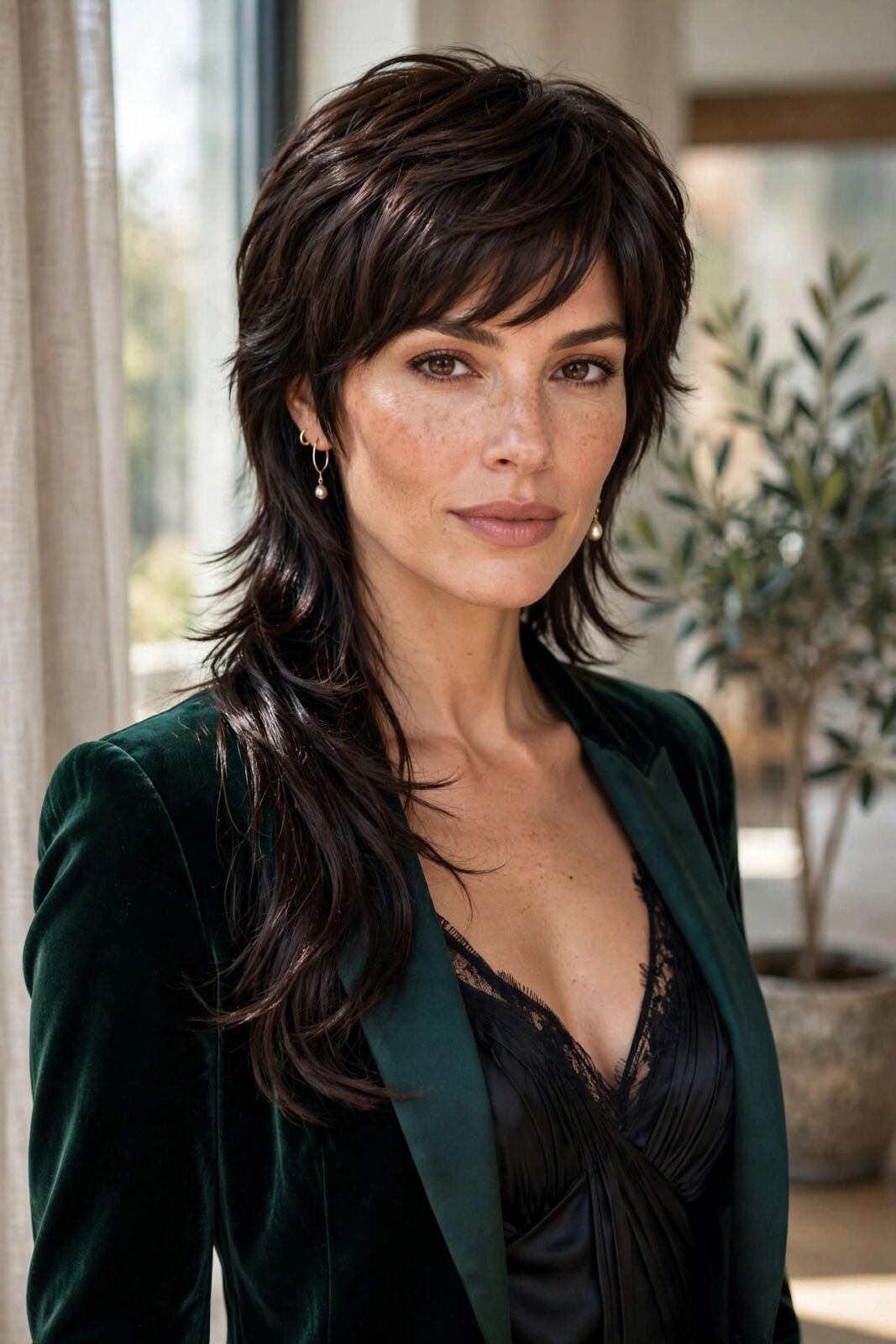
Yes, a shaggy mullet can do formal. Smooth the crown and sides down with a light serum and a flat brush while blow-drying, tuck the sides behind your ears, and let the back length fall straight and glossy. The contrast between the sleek top and the long back reads intentional and modern with evening dresses and tailoring. A strong lip or statement earring completes a look that is polished but absolutely not plain.
4. Curly and Full Volume
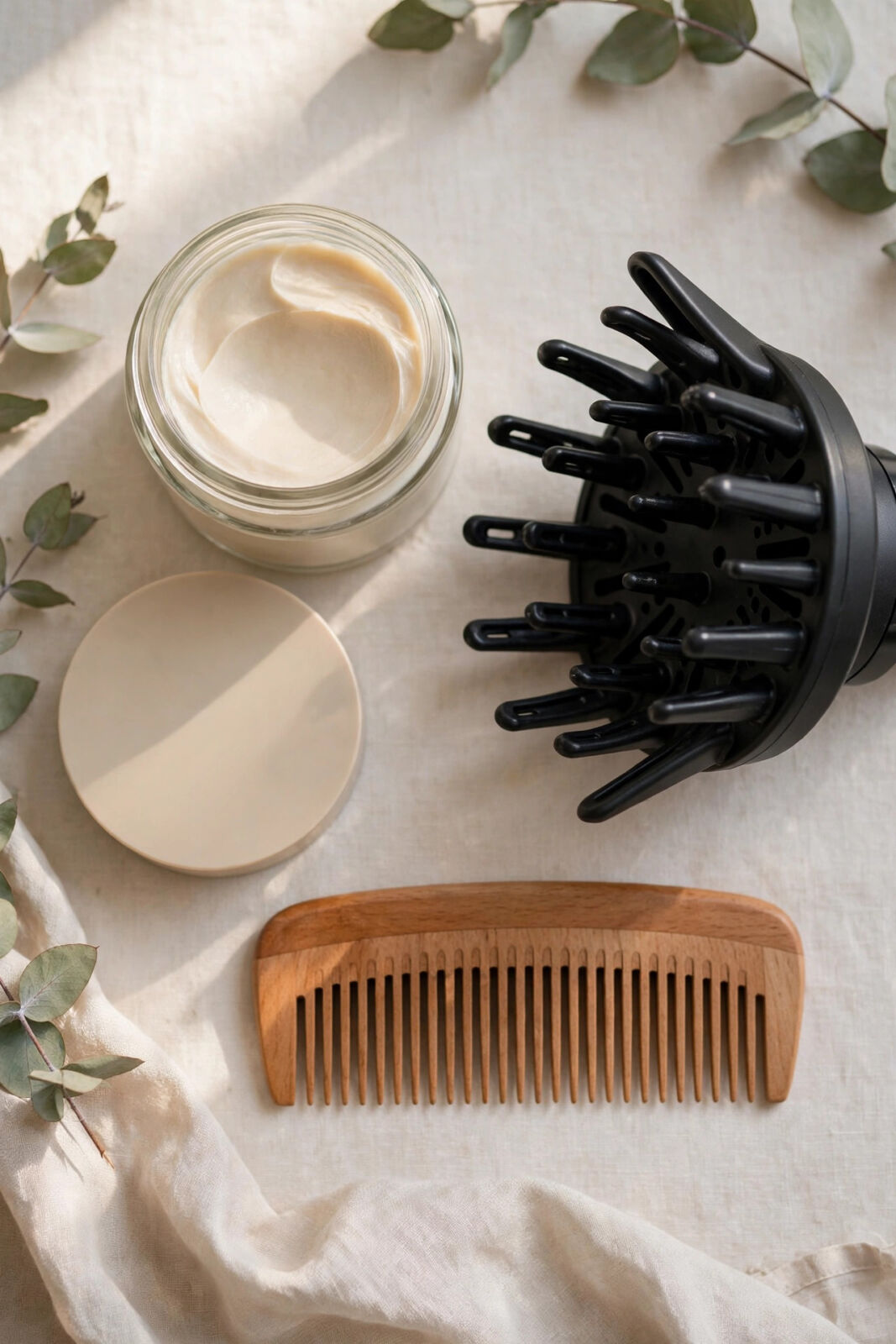
If your hair is naturally curly, the shaggy mullet may be the best cut you ever have. The short layers stop the sides bulking out into a triangle, the crown curls spring up with real height, and the back length shows off curl pattern beautifully. Style with curl cream on wet hair, diffuse upside down, and resist touching it while it dries. Curly mullets need the least daily work of any version — the texture does everything.
5. The Edgy, Piecey Finish
For the full attitude version, lean into separation: matte texture paste worked through the ends, crown layers pushed forward and slightly spiked at the roots, sides worn tight to the head. Paired with a leather jacket or strong eyeliner, this is the rock-leaning mullet that started the revival. It suits confident days and nights out, and it photographs with more character than any safe hairstyle ever will.
6. Half-Up With the Length Down
Gather just the crown layers into a small top knot, clip or high half-ponytail and let the back length and face-framing pieces fall. You get height, a clearer face, and the mullet silhouette still reads clearly from behind. It is a practical style for work and hot days that takes under a minute.
7. With a Fringe, Three Ways
The fringe is where a mullet gets personal. A full, choppy fringe makes it bold and fashion-forward; wispy, see-through bangs soften it for the cautious; a grown-out curtain fringe parted in the middle gives a seventies shag feeling that is the easiest of all to maintain. If you are unsure, start with the curtain version — it grows into the layers gracefully and can be cut shorter later once you trust the cut.
8. The Grown-Out, Softer Stage
Between salon visits, a shaggy mullet does not collapse — it evolves into a long shag, which many people end up liking even more. The crown layers lengthen into face-framing, the back gains weight, and the whole cut softens. Style it with more wave and less piecey separation at this stage, and book a tidy-up when the back starts to feel heavy or the fringe reaches your eyes — usually every eight to twelve weeks.

9. Dressed With Accessories
Short crown layers make accessories work harder. A slim headband pushed into the crown, decorative clips pinning one side, or a silk scarf tied over the top with the back length flowing under it all look deliberate on this cut. Earrings matter more too: with the sides short, statement earrings are fully visible. Plan jewellery as part of the hairstyle.
The Daily Styling Routine: Step by Step
Step 1: Start on the right dampness. Style mullets on hair that is about eighty percent dry. Fully wet hair dries flatter and longer than the cut intends; fully dry hair will not reshape. A light mist from a water spray revives day-two hair to exactly the right starting point.
Step 2: Add product before you touch a brush. A small amount of mousse or texture cream through the crown and layers first gives the hair grip and separation. Product on dry, finished hair mostly sits on top; product first becomes part of the texture.
Step 3: Dry for volume at the crown. Blow-dry the crown layers forward and up with your fingers, not a brush, lifting at the roots. Direct the sides down and slightly back, and let the back length dry in its natural direction. Finger-drying is what keeps the finish tousled instead of blow-out smooth.
Step 4: Define the ends last. Once dry, pinch a tiny amount of paste or cream between your fingertips and twist a few ends at the front and crown to define them. This final, thirty-second step is what separates ‘shaggy’ from ‘messy’ — a handful of defined pieces among the softness.
Step 5: Refresh, do not restart. On day two and three, do not rewash out of habit. Mist the crown with water, scrunch, add a whisper of dry shampoo at the roots for grit, and redefine two or three front pieces. This cut genuinely looks better slightly lived-in.
What to Ask For, and Keeping Layers Healthy
At the salon, bring photos of mullets on hair like yours — texture matters more than face shape here — and use plain language: short, choppy layers through the crown, length kept at the back, sides tapered or softly disconnected, and a fringe decision made together. Ask your stylist to cut it for how you actually style it (air-dried, ideally) and to show you the product amount, not just the product name. Between visits, layered cuts need moisture at the ends: a weekly light mask, heat protection before hot tools, and trims every eight to twelve weeks.
Common Mistakes to Avoid
The biggest mistake is getting the cut and then styling it like long hair — brushed smooth and flat, which fights every layer and looks like a mistake instead of a mullet. Second, going too short too fast: a cautious first version can always be cut braver at the next appointment, but the reverse takes months. Third, neglecting the back length, which dries and splits while all the care goes to the front. And finally, judging the cut on salon day alone; shaggy cuts settle into themselves over the first week, which is when their real character shows.
Frequently Asked Questions
What is the difference between a shaggy mullet and a wolf cut?
They are close cousins. A wolf cut blends its layers more evenly all over, like a shag with extra volume, while a mullet keeps a clearer contrast: distinctly shorter at the front and sides, distinctly longer at the back. If you want drama and silhouette, choose the mullet; if you want the texture with a softer outline, choose the wolf cut.
Will a mullet suit fine, thin hair?
Often yes, surprisingly well. The short crown layers create lift and the piecey ends make hair look thicker than a single blunt length does. The key is moderation at the back — keep the length modest and the ends not over-thinned, or fine hair can look stringy. Your stylist should leave more weight in the back than they would for thick hair.
How often does a shaggy mullet need trimming?
Every eight to twelve weeks suits most people. The fringe and crown may need a quick tidy sooner, and many salons offer cheap fringe trims between appointments. The back length is the part to watch: once it starts feeling heavy or the layers there disappear, the cut has outgrown its shape.
Can I grow out a mullet without an awkward stage?
The shaggy mullet grows out kinder than most statement cuts because its layers become a long shag, then long layers. The only awkward window is when the sides are mid-length; styling them tucked or wavy carries you through it.
Does a mullet work on straight hair, or only wavy?
It works on straight hair with the right finish: piecey texture products, ends defined with paste, and layers cut with enough choppiness to show. Straight hair gives the sleekest dressed-up version and the sharpest edgy version. What straight hair will not do is the soft romantic wave on its own — that one needs a wand for five minutes.
A Last Word Before You Wear It
A tousled shaggy mullet is not a dare; it is a well-balanced cut that gives you short-hair lift and long-hair movement at the same time. Start soft, learn the finger-styling routine, and let the fringe make it yours. It is the rare dramatic haircut that is easy to live with.