Ash Blonde Face Frame Highlights: 9 Bright Ways to Wear Face-Framing Highlights for a Lighter Look
If you want your hair to look lighter without committing to a full head of bleach, face-framing highlights are the smartest shortcut there is. Two bright sections at the front, blended into your own colour behind, lift your whole face the way good lighting does.
I had my first ash blonde face frame done before a family wedding, nervous that light pieces on my dark brown hair would look stripey. Done well, they did the opposite: soft, bright and blended, and the grow-out was so gentle that nobody could tell when I was six weeks late for a refresh.
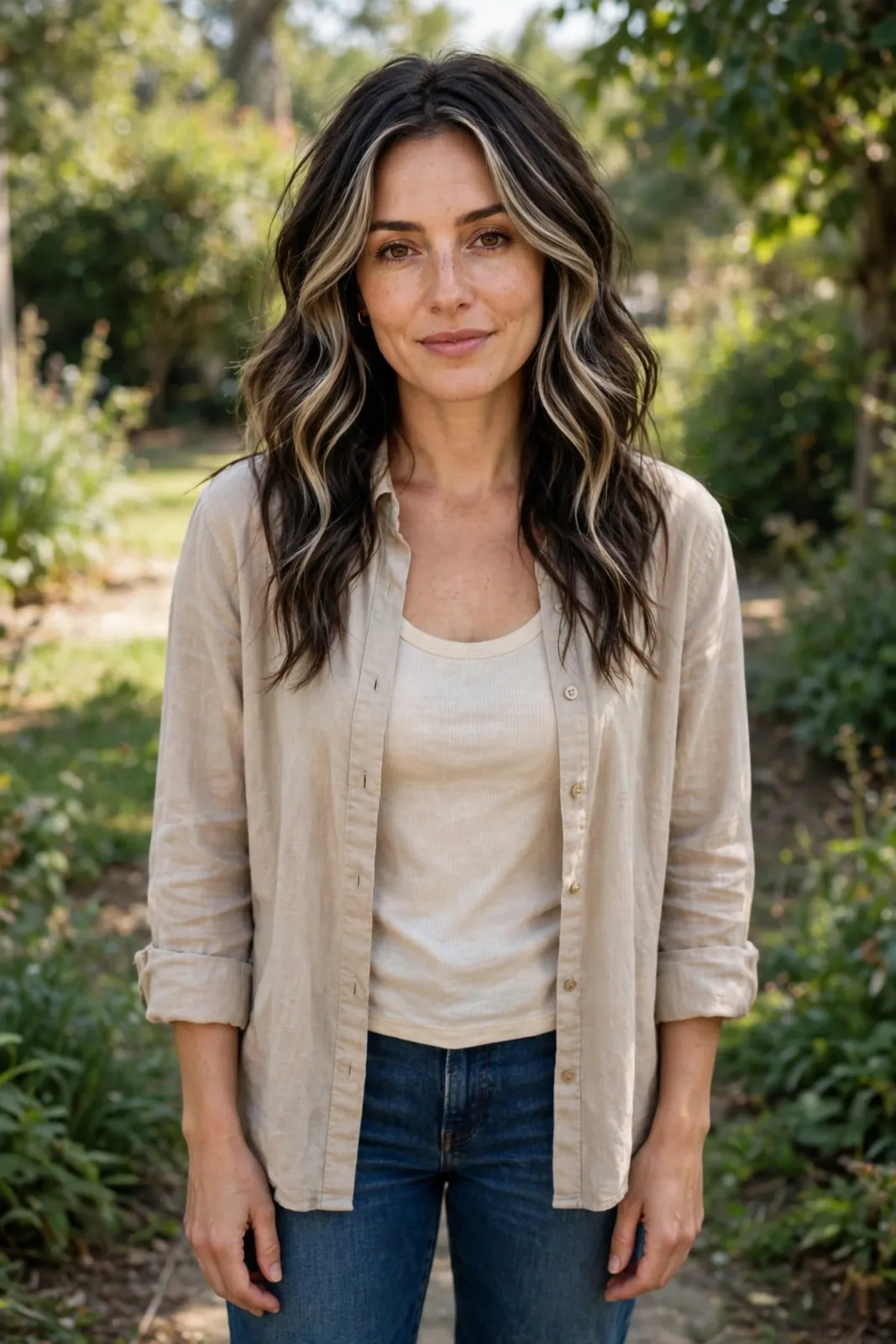
Why a Face Frame Lifts More Than a Full Head of Colour
Brightness belongs where the eye lands first. When people look at you, they read your face and the hair immediately around it, so lightening just those sections gives most of the effect of a full colour at a fraction of the bleach, cost and upkeep.
Ash blonde specifically is a cool-toned blonde with grey and violet undertones that cancel yellow. On the front sections, that coolness does two jobs: it modernises brown or dark blonde bases that can look flat, and it flatters skin that reads sallow under warm golden tones.
1 to 3: The Classic Face Frame, Three Strengths
1. The soft money piece. Two fine, bright sections right at the hairline, blended back into a slightly deeper blonde behind them. This is the most requested version because it reads as sunshine rather than salon work. Ask for the brightness to start a fraction away from the root with a smudged blend, and style with loose waves so the pieces move and catch light.
2. The bold bright frame. Wider, lighter sections that extend back to the ears make a stronger statement and suit confident, high-contrast styling: think dark brown lengths with almost platinum fronts. It needs the right toner to stay ash rather than yellow, and it looks best on hair in good condition, because the front pieces are lightened the most.
3. The whisper frame for first-timers. If you are nervous, start with a few baby-fine highlights only in the very front, just one shade or two lighter than your base and toned ash. You will see the lift in photos and in the mirror, nobody will be able to name what changed, and you can go brighter at the next appointment with no corrective work needed.
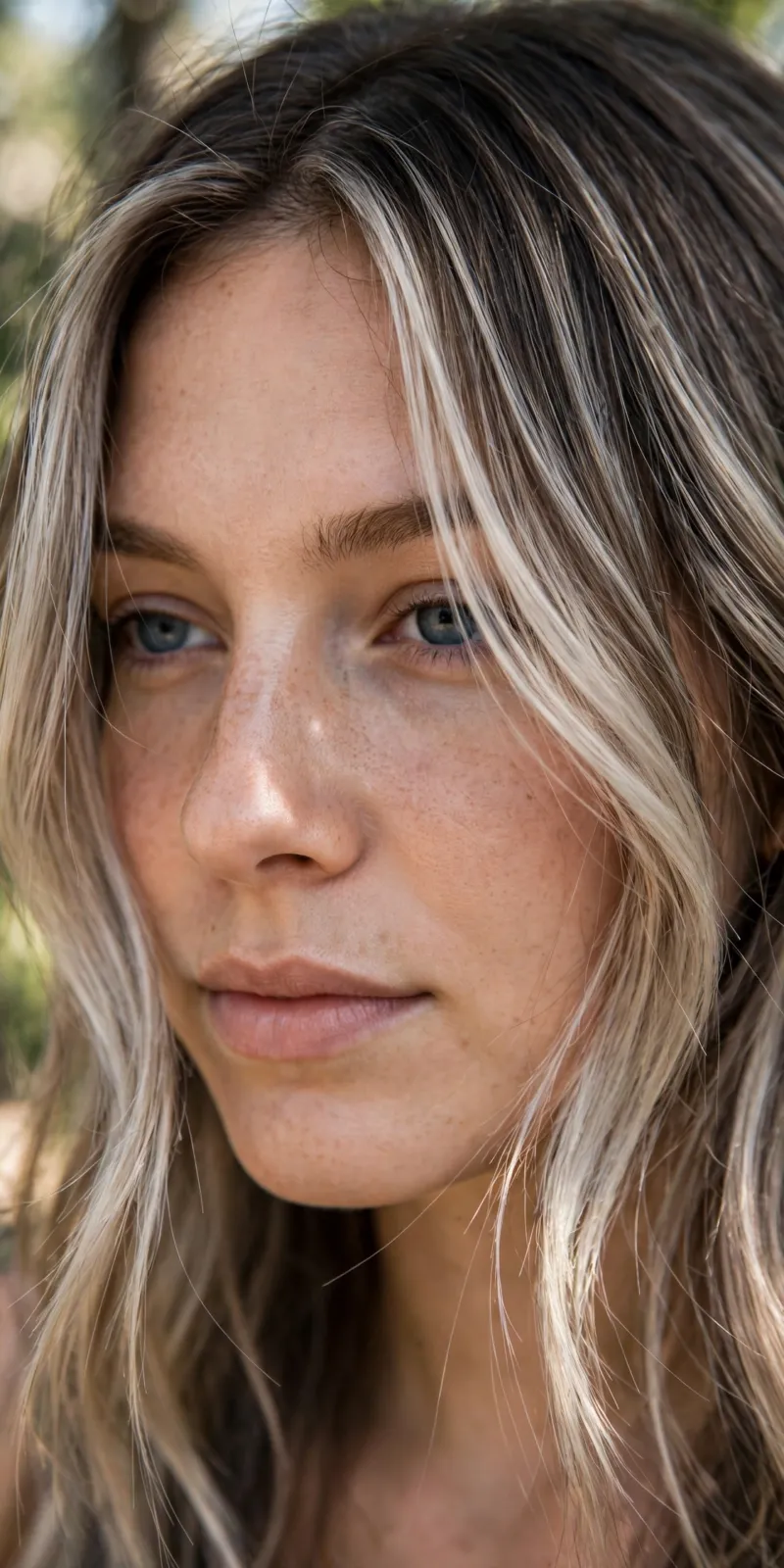
4 to 6: Face Frames for Different Hair Types
4. On layered wavy hair. Layers and a face frame are natural partners: the layers give the bright pieces movement, and the highlights show off the layering. Ask the colourist to follow the layer pattern so the brightest points sit where the hair turns toward the face. Style with a large-barrel wave, brushed out, for the soft finish in most reference photos.
5. On curly and coily hair. A face frame on curls should be painted, not foiled tight, so the bright pieces follow the curl pattern and stretch when dry. Keep the lift moderate and the toner gentle, because curly hair lightens and dries faster. The effect is beautiful: bright coils framing the face with depth behind, and the grow-out is the softest of all the versions here.
6. On a bob or lob. Shorter hair makes a face frame punch above its weight, because the bright pieces are a larger share of what people see. On a bob, keep the frame pieces fine and bright at the ends, with the blend starting higher so the line of the cut stays clean. A sleek, tucked-behind-one-ear style shows the contrast at its best.

7 to 9: Styling the Frame Day to Day
7. In a high ponytail or bun. Pulling the lengths back leaves the bright front pieces to do all the work, which is why this is the style where people notice a face frame most. Leave the two front sections loose, or pull them back last so a fine bright edge frames the face. It is the quickest evening upgrade a face frame gives you, and it costs nothing.
8. With a centre parting and curtain layers. A centre part with curtain-style front layers spreads the brightness evenly on both sides and suits round and heart-shaped faces especially well. Keep the pieces on each side matched in width and tone; asymmetry here looks like a mistake rather than a style. A gentle bend away from the face with a straightener keeps it modern.
9. Grown out and low-maintenance. Three months on, a well-blended ash face frame becomes a soft, lived-in brightness that still lifts the front. A gloss or toner refresh at home or in salon, with no new lightening, revives the ash tone in twenty minutes. This long, kind grow-out is the real reason the look has lasted: it respects your time and your hair’s condition.

How to Get the Brief Right, at the Salon or at Home
Start with reference photos of your own hair type, not just any bright blonde. Show the colourist where you want the brightness to begin and how wide you want the sections, using your fingers on your own head: most classic frames are the width of two fingers at the hairline on each side, blended diagonally back.
Tone is the second half of the brief. Ash blonde means cool: ask for an ash or pearl toner and expect your colourist to explain that hair must first lift pale enough to hold a cool tone, because ash over under-lifted, yellow hair turns muddy or greenish.
At home, only attempt this if your front sections are already lightened or naturally light. Strand-test any lightener, work on dry hair in daylight, paint the pieces freehand slightly away from the root, and check every five minutes, because face-frame pieces process fast. Follow with a violet or ash toner exactly as directed, rinse cool, and deep condition.
Keeping Ash Blonde Bright, Not Brassy
Ash tones fade faster than warm ones, and the front pieces also get the most sun, heat and washing. A violet shampoo once a week, left on for two to three minutes, neutralises the yellow that creeps in. Use it too often and the pieces can pick up a lilac cast, so alternate with a gentle colour-safe shampoo, and always follow with conditioner, because lightened front sections are the driest hair you own.
Heat is the quiet enemy. Straighteners and curling tools on high settings yellow ash blonde faster than sunlight does, so use a heat protectant every time and keep tools at a moderate temperature. A clear gloss treatment every few weeks, at home or in salon, reseals the cuticle, restores the smoky shine and stretches the time between toners.
Plan the maintenance honestly when you book. A face frame typically needs a toner refresh at six to eight weeks and a partial re-lighten at three to four months, which is still far less chair time than a full head. Keep the front pieces trimmed with your regular cuts, because split, wispy ends make even perfect colour look tired, and the frame is the part of your hair everyone sees closest.
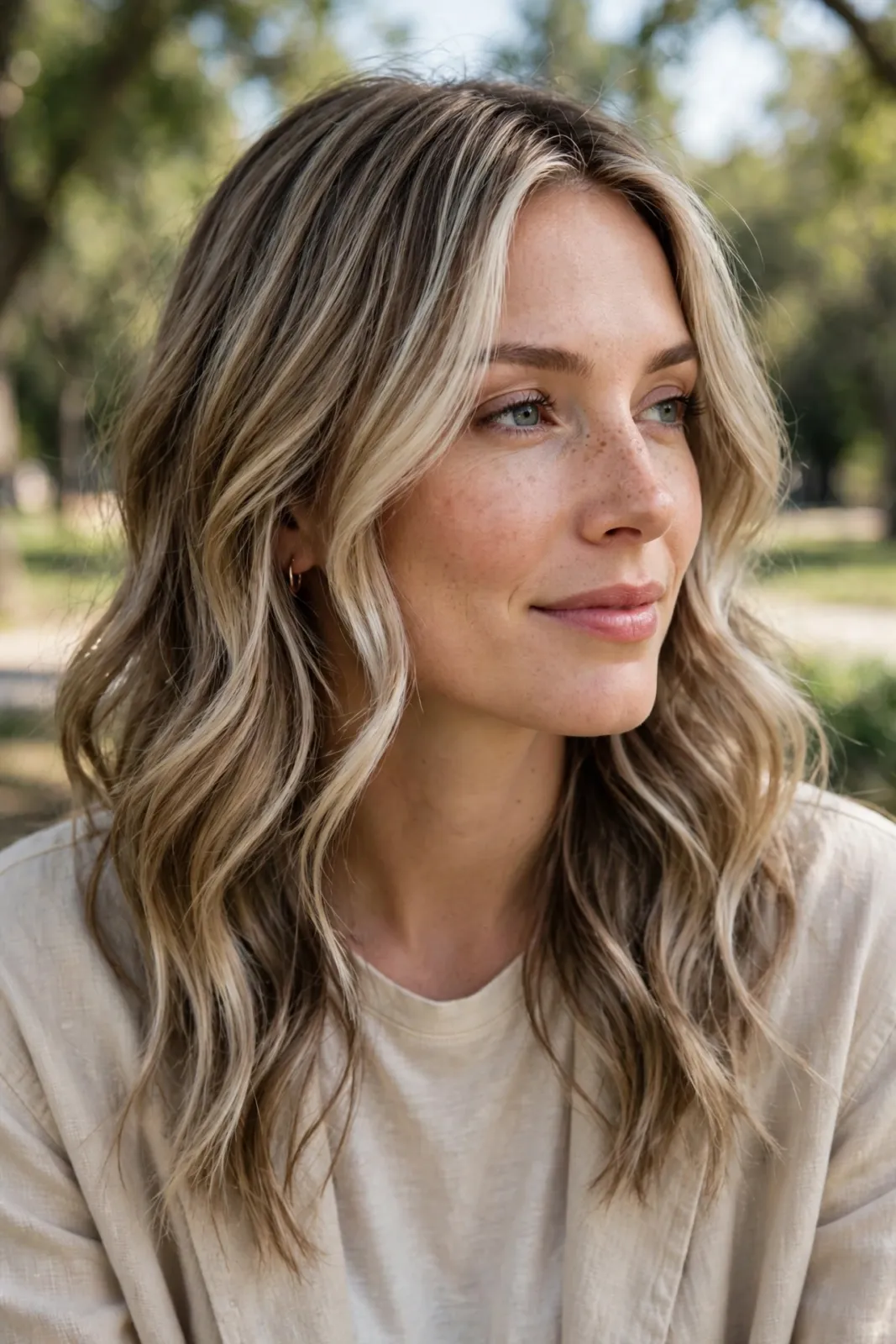
Common Mistakes to Avoid
The stripe mistake is the one everyone fears: sections that are too wide, start in a hard line at the root, or are lightened without a blend. The cure is in the brief: fine or smudged starts, diagonal blending, and photos of soft results. The second mistake is toning too dark in panic over brassiness, which dulls the frame completely; ash should still be bright, just cool, so tone in daylight and rinse on time.
Neglect is the slower mistake. Ash pieces left without violet shampoo, protection or trims drift yellow and dry within a month, and the contrast that looked chic starts to look accidental. Finally, do not chase brightness at every appointment by lightening the same front pieces again and again from root to tip.
Frequently Asked Questions
How long does an ash blonde face frame take in the salon?
A partial face frame with toner and a finish usually takes ninety minutes to two hours, far less than a full head of highlights. A first appointment on dark hair may take longer if the colourist lifts in stages to protect the front pieces. The maintenance visits are shorter still, often under an hour for a toner and trim.
Will ash blonde suit warm skin tones?
It can, if the ash is kept bright and soft rather than grey and dark. Warm skin often suits a pearl-ash rather than a blue-ash tone, and keeping some depth in the blend helps too. A good colourist will hold swatches against your face in daylight; trust that test more than any photo.
How much lighter than my base should the frame be?
Two to three levels lighter than your base gives the classic, visible lift without a harsh contrast. One level lighter is the whisper version for first-timers, and four or more levels becomes the bold frame, which needs strong hair and committed toning. When in doubt, start softer; brightening later is easy.
Can I have a face frame if my hair is grey at the front?
Yes, and it is one of the kindest options for early grey, because the bright ash pieces blend naturally with silver strands at the hairline instead of fighting them. The grow-out line is much softer than with an all-over colour. Ask for the toner to be kept silvery-ash around the front for the most seamless blend.
What is the difference between a face frame and money piece highlights?
They are essentially the same idea: money piece is the popular name for the bright front sections, while face frame describes the full effect including the blended pieces that connect them into the rest of the hair. When booking, describe the width, brightness and blend you want rather than relying on the name alone.
A Final Word
An ash blonde face frame is the rare colour change that gives a lot and asks for little: brightness where it matters, a soft grow-out, and hair that stays mostly its own healthy self. Brief the blend and the cool tone clearly, keep a violet shampoo and a protectant in the bathroom, and let the front pieces do the work in every style from loose waves to a plain ponytail. Start soft if you are unsure.