Table of Contents
There is a particular pleasure in climbing into a well-made hotel bed: the sheets are smooth and cool, the duvet sits in a neat fold, and the pillows stand in two tidy rows instead of one flat heap. None of that is expensive magic. Bedding layering like hotels is a sequence, not a shopping list — the same sheets and duvet you already own, put on the bed in the right order, with a couple of small habits borrowed from housekeepers who make dozens of beds a day. This guide walks through that sequence properly.
You will find nine clear steps for bedding layering like hotels, the order each layer goes on and why, how to adjust the stack for hot and cold nights, what is actually worth buying, and the mistakes that make a layered bed look messy by morning. None of it takes more than a few extra minutes once the routine settles, and the bed looks made — properly made — every single day.

The Order Matters: Bedding Layering Like Hotels, Layer by Layer
Hotels build a bed from the mattress up, and every layer has a reason. Start with a mattress protector — quiet, washable, and the layer that keeps everything else fresher for longer. Next comes the fitted sheet, pulled drum-tight with the corners properly seated; a loose fitted sheet wrinkles under everything above it. Then the flat sheet, laid with its finished side facing down so the folded-back top edge shows the smooth face, and tucked with proper hospital corners at the foot so it cannot ride up in the night.
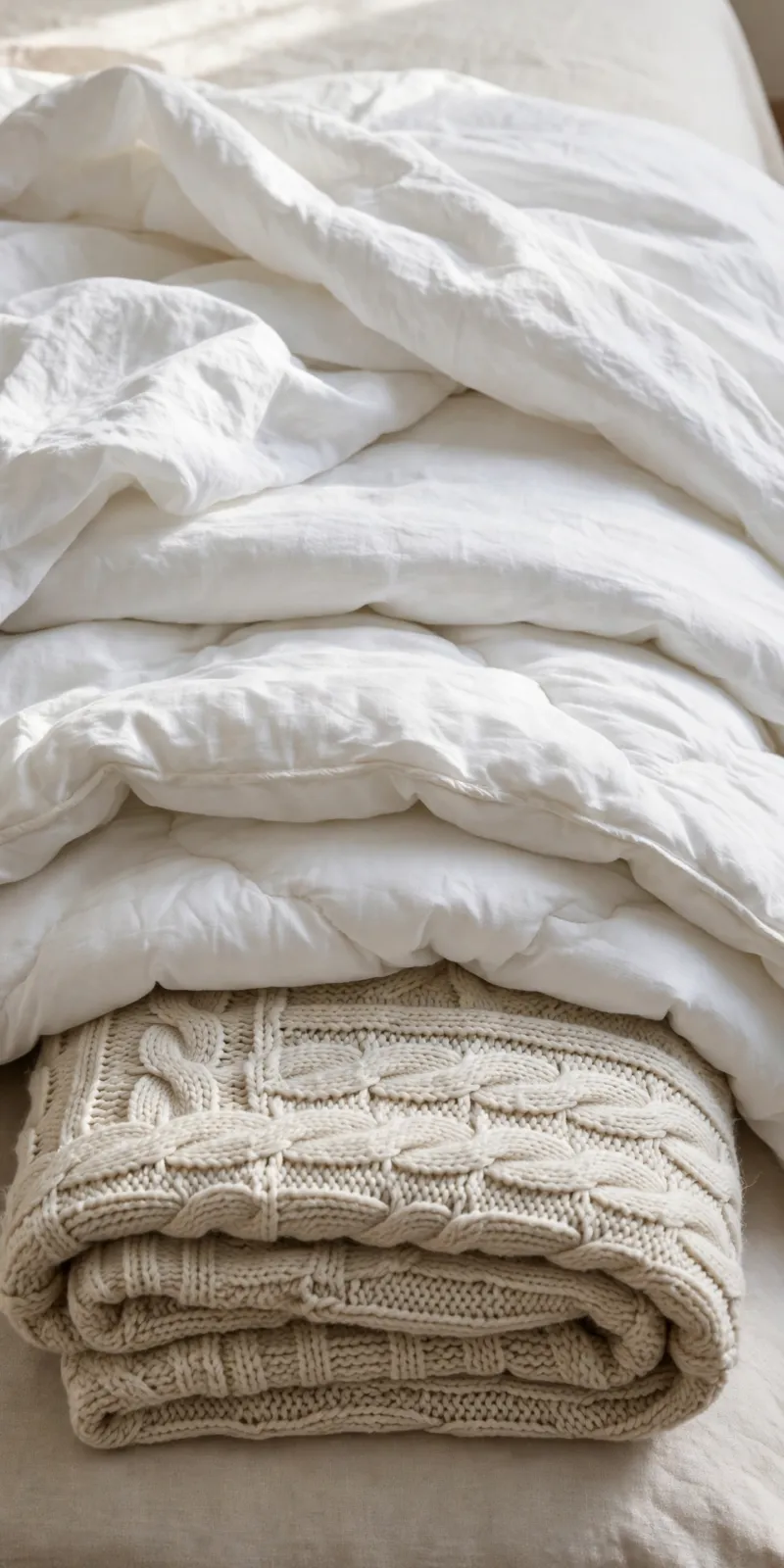
The warmth layer comes next. A duvet in a plain cover is the hotel standard because the cover washes easily and the whole thing can be swapped between seasons. Hotels fold the flat sheet and duvet back together in one wide band, roughly a third of the way down the bed, which is the crisp line you recognise from every good room.
A light quilt or throw across the foot finishes the picture and gives the eye a horizontal break. Pillows go last, sleeping pillows at the back, propped and plumped, with no more than two decorative cushions in front — more than that is a nightly removal chore nobody keeps up. That sequence is the heart of bedding layering like hotels.
Nine Steps to Bedding Layering Like Hotels at Home
One: strip the bed fully once a week and shake each layer out — trapped dust is what makes bedding feel stale. Two: fit the protector and fitted sheet tightly, smoothing from the centre outward. Three: lay the flat sheet evenly, checking the drop is equal on both sides before tucking. Four: add the duvet, centred, with its cover’s buttons or zip at the foot where they never press into skin. Five: fold sheet and duvet back together in one clean band. Six: add the foot layer — a quilt in summer, a wool throw in winter — folded to a third of its length.
Seven: stand the sleeping pillows upright against the headboard, two per person at most. Eight: place one or two cushions in front, chopped lightly in the middle if they are feather-filled, and stop there. Nine: run a hand over the whole bed and fix the one wrinkle you can see from the door. That final ten-second check is the difference between a made bed and a styled one, and it is the step hotels never skip. Those nine steps are bedding layering like hotels made simple.
How to Do Bedding Layering Like Hotels in Every Season
The hotel method flexes with the weather because the layers are separate. In summer, keep the protector, both sheets, and swap the duvet for a low-tog insert or drop it entirely and sleep under the flat sheet with a light quilt folded at the foot for the hour before dawn. A cotton comforter or coverlet gives the made-bed look without the warmth. In spring and autumn the standard stack works as written, with the throw doing the adjusting — over your legs on cold evenings, folded away on mild ones. Adjusting like this keeps bedding layering like hotels comfortable all year.
Winter asks for one addition, not a rebuild: a blanket between the flat sheet and the duvet, which traps warmth without the bulk of a heavier duvet, and flannel or brushed-cotton sheets if your bedroom runs cold. The mistake is buying a single very heavy duvet and then sweating under it for six months; two lighter layers you can peel apart always sleep better than one thick one you cannot adjust at 3 a.m. That flexibility is why bedding layering like hotels works in winter too.

Step by Step: Making the Bed the Hotel Way
Set aside ten unhurried minutes the first few times; it drops to four once your hands know it. Begin with the empty mattress and work in the order above, finishing each layer completely before starting the next — half-tucked sheets under a placed duvet are how wrinkles get built in. When you fold the top band back, measure it with your forearm so both sides match; uneven folds are the first thing the eye catches. Consistency like that is what makes bedding layering like hotels look effortless.
For the pillows, hold each one by two corners, shake it down into its case, and fold the excess case fabric underneath at the back. Standing pillows look plump because the filling has been pushed into the corners, not because they are new.
Finish by standing at the doorway — the view guests get, and the view you get every night — and correcting the single most obvious flaw. One correction, not ten; perfection is not the point, calm is. Viewed from the door, bedding layering like hotels should look calm and tidy.

Budget and Buying Advice for Bedding Layering Like Hotels: What Is Worth Paying For
Pay for the layers your skin touches: sheets and pillowcases in long-staple cotton or a cotton-linen mix wash softer and last longer. The duvet insert matters less than its tog rating being right for your room, and the cover matters more than the insert because it is what you see and wash weekly. A mattress protector is cheap insurance and the best value item on the whole bed. Spending in that order supports bedding layering like hotels without waste.
Save by skipping the decorative surplus. Hotels use white or pale bedding for a reason — it mixes across sets, bleaches clean, and never dates. Two full sets per bed is the working number: one on, one in the wash. Buy the second set in the sales rather than a third cushion you will move twice a day. If you want one treat, make it proper pillow protectors under the cases; pillows stay plump and white far longer. Those choices keep bedding layering like hotels affordable over time.
Common Mistakes in Bedding Layering Like Hotels to Avoid
The most common mistake is too much of everything: three throws, six cushions, and a duvet folded so often it becomes a bolster. The bed looks impressive in a photo and exhausting in real life. Next is skipping the flat sheet and sleeping straight under the duvet cover, which means washing the bulky cover constantly or, worse, not washing it.
Then come the loose fitted sheets that pop off corners, almost always because the pocket depth is wrong for a deep mattress — measure before buying. Finally, synthetic sheets under a natural duvet trap heat and undo the whole system’s balance; keep the layers in similar, breathable fibres. Avoid those errors and bedding layering like hotels stays crisp instead of cluttered.

Frequently Asked Questions
Why do hotels use a flat sheet under the duvet?
It keeps the duvet cover cleaner for longer, adds a smooth layer against the skin, and creates the crisp folded band that makes the bed look finished. It also lets you adjust warmth by kicking off the duvet and keeping the sheet on warm nights.
How many pillows do hotels actually put on a bed?
Usually two sleeping pillows per person — one firmer behind, one softer in front — plus at most two decorative cushions. The towering stacks in magazine photos are styling, not housekeeping practice, and they are the first thing real hotels trim when rooms must be turned quickly.
What thread count should I buy for a hotel feel?
Thread count is only part of it. A 300–400 count long-staple cotton percale or sateen feels crisp and washes well; very high counts can feel dense and hot. Fibre quality and weave matter more than chasing a big number on the packet.
How do I stop the duvet bunching inside its cover?
Use the inside corner ties or clips, turn the cover inside out over your arms to grab the duvet corners, and shake from the top edge. A cover the correct size for the insert — not one size up — prevents most of the drifting.
How often should each layer be washed?
Sheets and pillowcases weekly, the duvet cover weekly or fortnightly, the protector every month or two, and the duvet itself a few times a year depending on use. The foot throw only needs washing when it is actually used as a blanket. Regular care like this protects bedding layering like hotels week after week.
The Bed You Will Actually Enjoy Making
The hotel look lasts because it is a system, not a performance: tight base layers, one folded band, a light foot layer, and a sensible number of pillows. Build it in order, adjust it by season instead of rebuilding it, and spend your money on the cotton your skin meets. A bed made this way takes four minutes, looks calm from the doorway, and feels better at midnight than any cushion mountain ever will. That is bedding layering like hotels at its best: simple, cosy and made to be enjoyed.