Table of Contents
A flat wall in a flat colour can leave a bedroom feeling like a box. Bedroom wall texture with paint changes that without plasterers, wallpaper, or a big budget: the texture comes from how the paint goes on, not from what the wall is made of. Limewash clouds, brushed suede effects, two-tone colour blocking and simple sponge work can all be done with ordinary matt paint, a big brush, and a free weekend. This guide compares the finishes honestly, shows the method step by step, and lists the mistakes that make textured walls look like accidents instead of choices.
Texture suits bedrooms particularly well because the light is softer there. Morning and evening light rakes across a wall at a low angle, and that is exactly when a brushed or washed finish shows its depth, while a flat wall shows nothing at all. Used well, bedroom wall texture with paint adds depth without adding clutter, which is exactly what a restful room needs.

Limewash and Colour Wash: The Softest Bedroom Wall Texture With Paint
Limewash-style finishes give cloudy, uneven colour that shifts as the light changes. Real limewash is a mineral paint with its own rules, but the look can be copied with two shades of regular matt paint and a wide brush, as this step-by-step faux limewash method using ordinary paint shows. Work in loose X-shaped strokes, keep the two shades separate in their trays, and let each section dry before judging it; the finish always looks patchier wet than it does the next morning.
Colour wash is the gentler cousin: one thinned coat of colour dragged over a paler base with a cloth or a dry brush. It gives movement without obvious pattern, which makes it the safest first texture for a whole room. Both finishes forgive imperfect walls better than flat paint does, because the eye reads the variation as intentional. For a first attempt at bedroom wall texture with paint, this forgiving wash is hard to beat.
Brushed, Sponged and Ragged Finishes for Stronger Texture
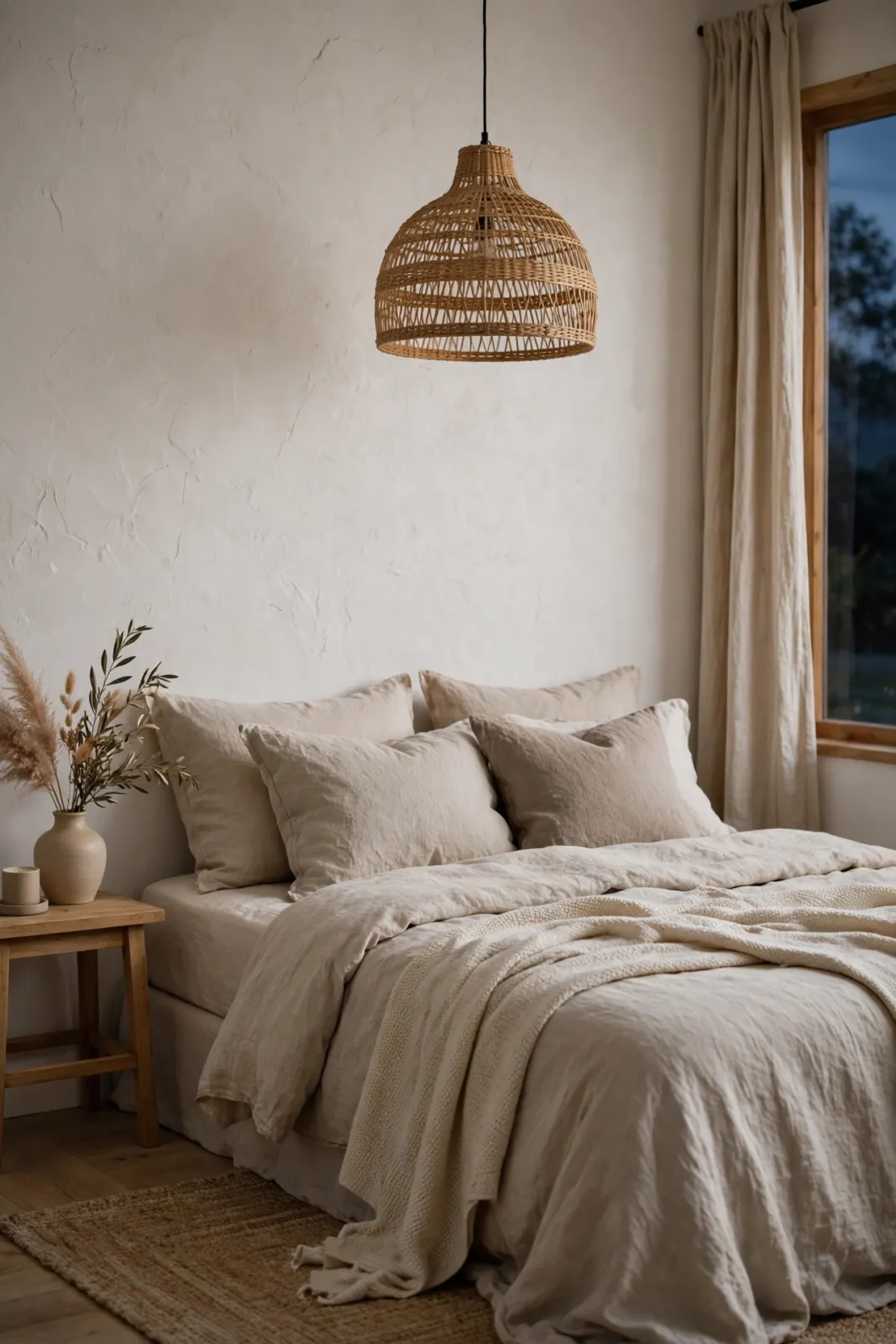
These belong to the family of faux painting and decorative paint finishes that imitate plaster, stone and suede with paint alone. A brushed suede effect uses a dry brush pulled in short cross strokes over a base coat; it reads as soft fabric at a distance and hides minor wall bumps well. Sponging with a natural sponge gives a broken, stony texture that suits one feature wall behind the bed. Rag rolling, done with a bunched cotton cloth, leaves a linen-like pattern that works in traditional rooms. Whichever finish you choose, bedroom wall texture with paint of this kind needs a light hand and thin coats.
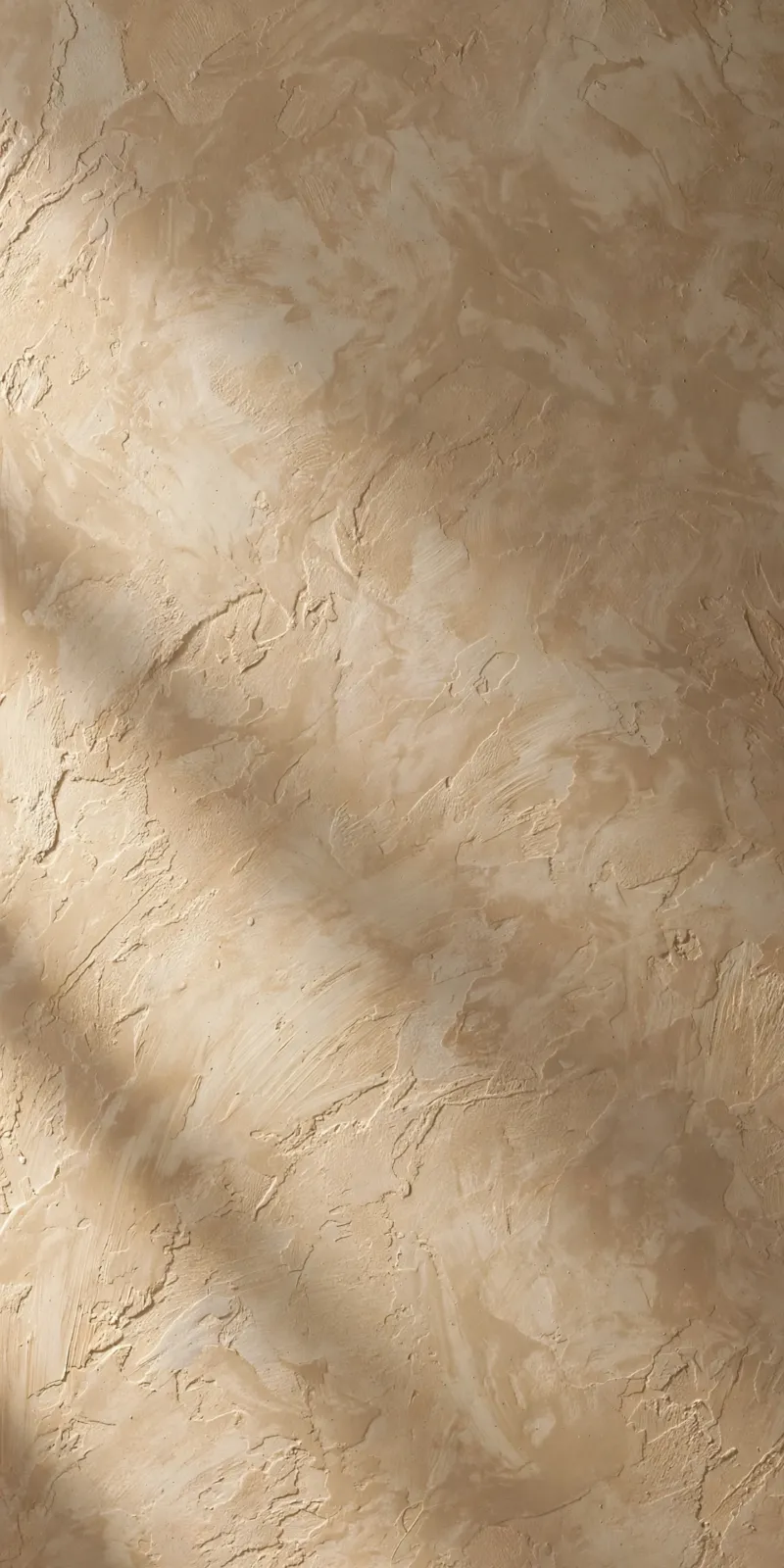
Stronger textures ask for restraint everywhere else. If the wall behind the bed carries the texture, keep the other walls plain, the bedding simple, and the artwork minimal. That same balance of one strong surface against calm surroundings is what makes sofa styling with cushions and throws work so well in a living room. Texture is a pattern, and a bedroom still needs to rest the eye.
Two-Tone Walls and Painted Panels: Texture Without Texture Paint
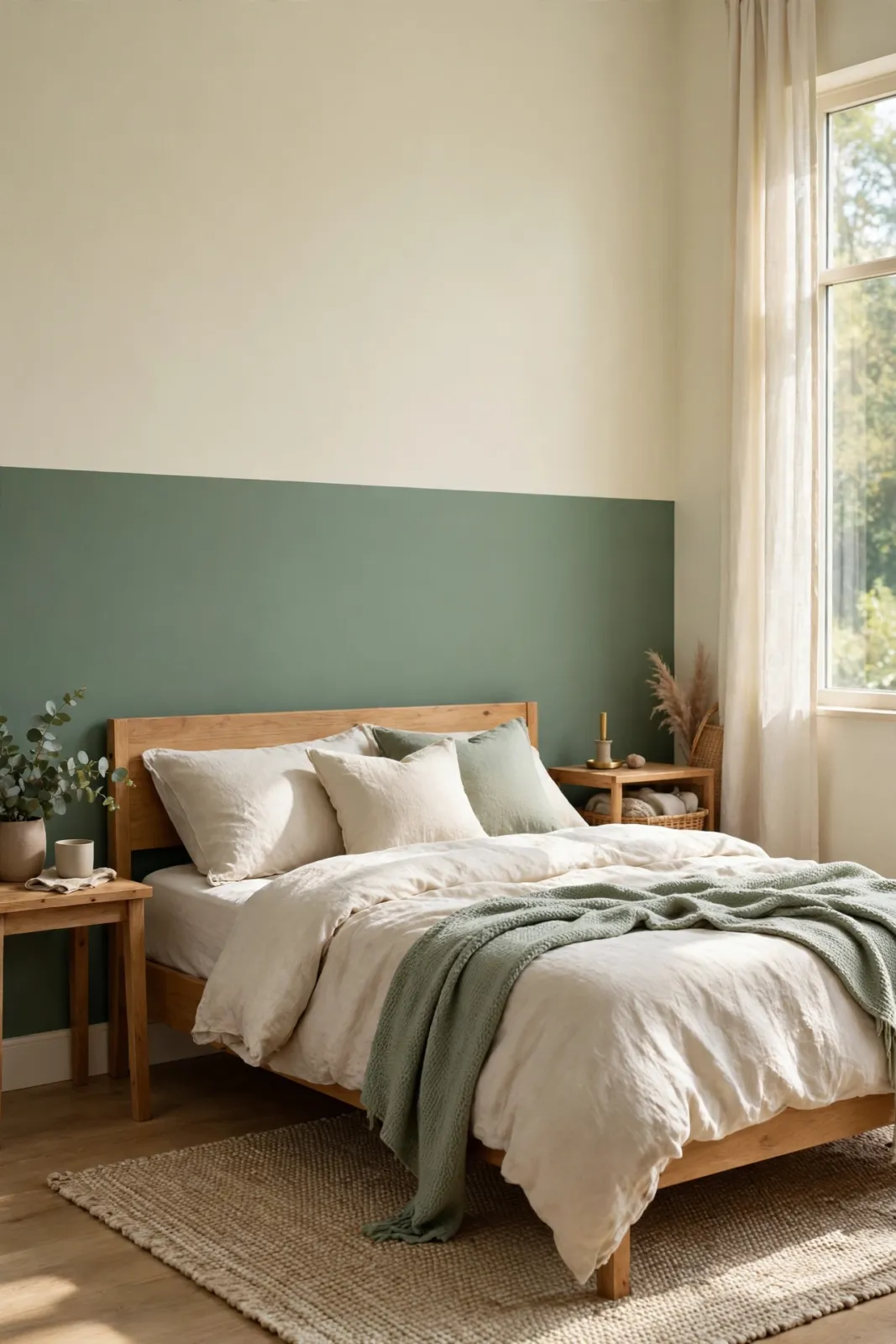
Sometimes the most effective bedroom wall texture with paint is not a finish at all but a line. A two-tone wall, with a deeper colour up to picture-rail height or behind the headboard and a pale shade above, creates shadow and structure that flat single-colour walls lack. Painted panel moulding — thin strips fixed to the wall and painted the same colour — gives the shadow lines of classic panelling for the price of timber strips and one tin of paint. It is also the easiest bedroom wall texture with paint to live with long term, because a fresh coat in a new colour updates it in an afternoon.
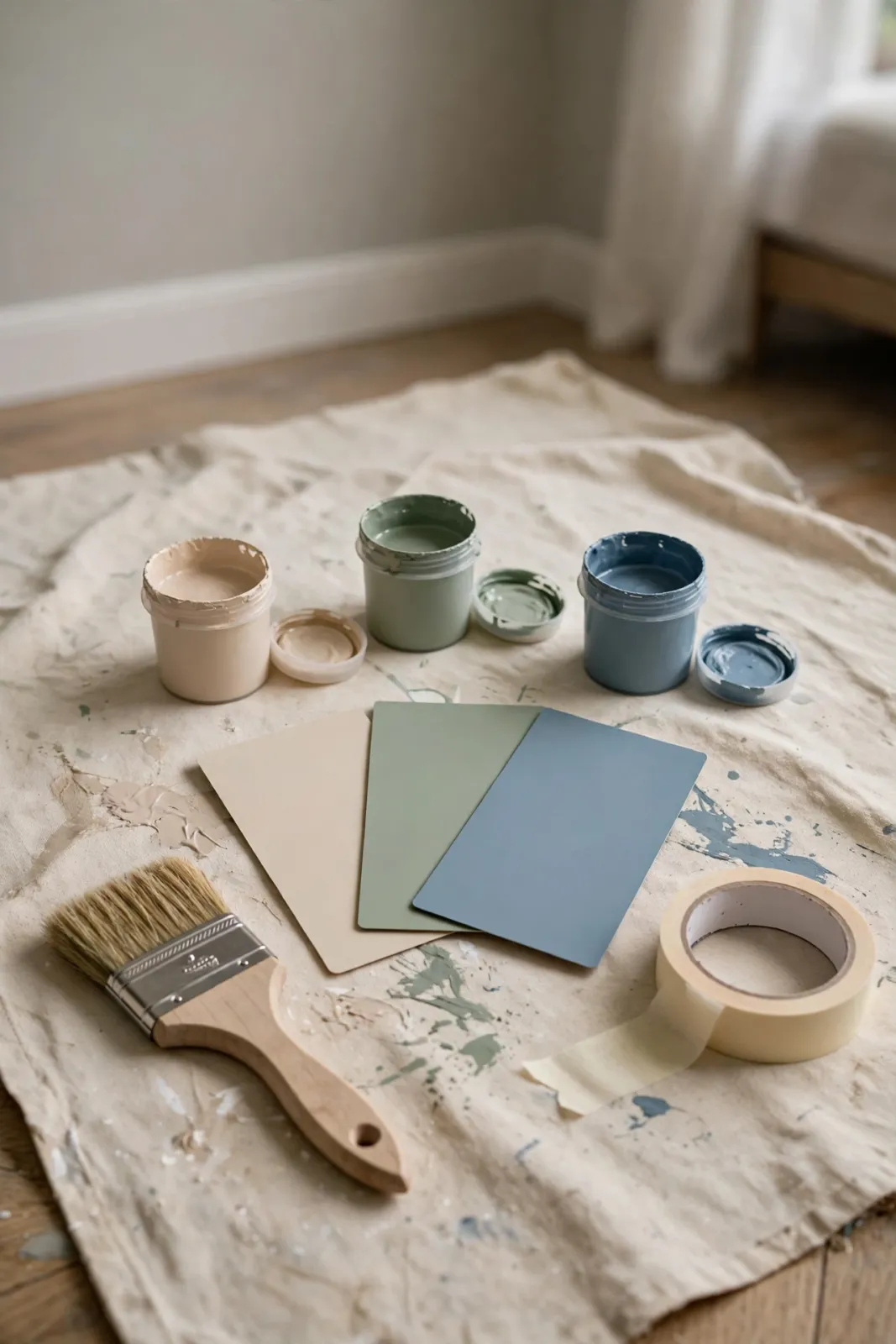
Keep the break line level and deliberate. A wobbly edge ruins the effect faster than any colour mistake, so use a spirit level, good tape, and a steady second pair of eyes standing at the door.
How to Apply Bedroom Wall Texture With Paint, Step by Step
Step 1: Choose one finish and paint a test patch of at least a metre square. Live with it for a day and check it in morning and evening light.
Step 2: Wash the wall, fill cracks, sand smooth, and tape skirting, ceiling edges, sockets and the window frame.
Step 3: Apply the base coat in a flat matt paint and let it dry fully — textured top coats over a tacky base drag and tear.
Step 4: Work the texture coat in sections of about one square metre, keeping a wet edge so sections blend. Stand back every few minutes; texture is judged from the bed, not from the ladder.
Step 5: Let the first pass dry completely before adding a second, lighter pass to deepen the cloudy areas. Remove tape while the last coat is still slightly tacky for a clean line.
Work slowly and keep checking from the doorway, and bedroom wall texture with paint will reward patience more than speed.
What It Costs: Budget and Buying Advice
This is one of the cheapest room changes there is. Two tins of matt paint in neighbouring shades, one wide block brush, tape and dust sheets cover most finishes; a natural sponge or a bag of cotton rags costs very little more. Specialty limewash and suede-effect paints cost more per litre and cover less wall, so use them on the bed wall only and plain matt paint in a matched colour on the other three. That short list is why bedroom wall texture with paint suits small budgets and first decorating projects so well.
Buy tester pots in two or three shades and paint them in a row. Bedroom light flatters warm greys, clay, sage and dusty blue, and turns some beiges yellow after dark. The tester row, checked at night under your own lamps, is the cheapest insurance in the whole project. In effect, you are comparing how each shade used for bedroom wall texture with paint behaves in your own light, not on a shop shelf.
Common Textured Wall Mistakes to Avoid
The first mistake is texturing all four walls in a strong finish; the room closes in and every other texture in it fights for attention. The second is working in stripes from ceiling to floor, which leaves visible bands where sections dried. Random, overlapping strokes hide joins; straight columns advertise them. Most disappointing bedroom wall texture with paint projects share those habits: too much finish, applied too fast.
Also avoid glossy paint for texture. Shine exaggerates every bump unevenly and makes a soft finish look like plastic. And do not skip the test patch because the colour looked right on the tin: textured finishes dry darker and stronger than flat paint in the same shade, so the patch is where you learn that safely.
Frequently Asked Questions
Which textured paint finish is best for a bedroom? Limewash-style and colour-wash finishes suit most bedrooms because they are soft, quiet, and forgiving of imperfect walls. Save stronger sponged or suede effects for the single wall behind the bed. Soft bedroom wall texture with paint like this settles a room instead of shouting in it.
Can I create wall texture with normal paint? Yes. Two shades of ordinary matt paint, applied with a wide brush in loose cross strokes, copy the limewash look well. The technique matters more than specialty products for most rooms. It is bedroom wall texture with paint at its most affordable, and it needs no special kit.
Does textured paint hide bad walls? It hides minor unevenness, hairline cracks that have been filled, and patchy old paint. It will not hide deep holes, damp, or loose plaster; repair those first or the texture will outline them.
How long does a textured feature wall take? A bed wall usually takes one day including the base coat and drying time, plus an hour of preparation. Whole rooms take a weekend. Rushing the drying between coats is what stretches projects, not the painting itself.
Can I paint over a textured finish later? Paint-applied textures sand and paint over easily, unlike heavy plaster effects. One coat of primer and two of your new colour will normally return the wall to flat; keep a note of the shades you used in case you want to repeat the finish elsewhere.
Texture Is the Quietest Upgrade a Bedroom Can Get
Bedroom wall texture with paint asks for no new furniture and no building work, yet it changes how the room feels at the two moments that matter most: first light and lamp light. Pick one finish, test it honestly, texture one wall well, and let the rest of the room stay calm around it. Start with the wall behind the bed, and let bedroom wall texture with paint do the rest.