Copper Red Braided Ponytail: 9 Warm Ways to Wear a Braided Ponytail on Long Hair
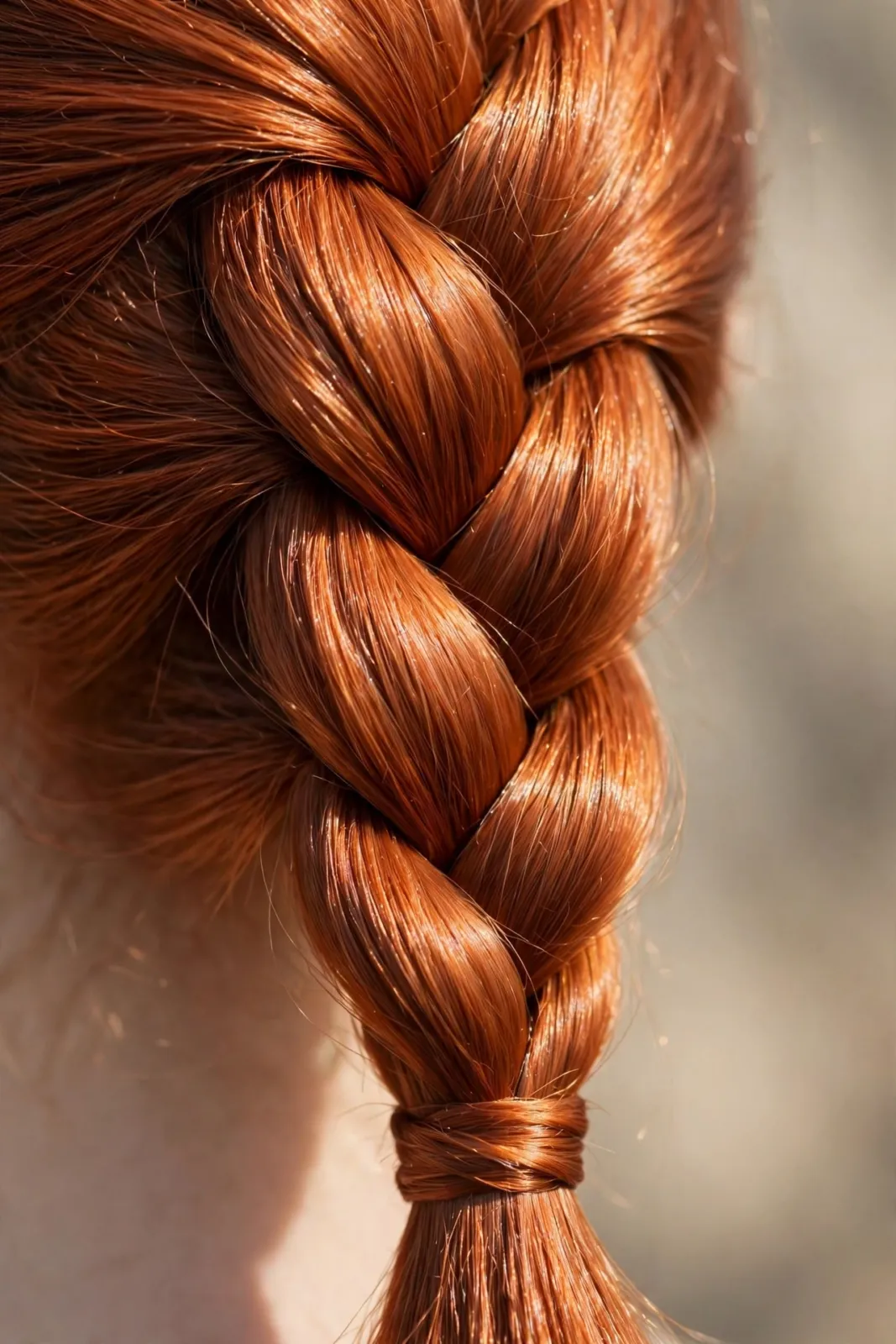
The first time I wore my hair in a copper red braided ponytail, I caught my reflection in a shop window and actually stopped walking. The colour did something a plain ponytail never had. In sunlight the braid shifted from deep rust to bright amber with every step, and the woven pattern made all those tones look intentional, like I had spent an hour on my hair when I had really spent twelve minutes.
If you have long hair and you are bored of wearing it down or in the same low bun, this is a forgiving place to start. A braided ponytail holds better than a loose braid, keeps hair off your neck, and photographs beautifully. Copper red helps too — it is warm without being harsh, and it flatters many skin tones because you can push it softer and rosier or deeper and spicier. This guide covers nine ways to wear it, the exact steps I use, and the care habits that keep the colour glowing.

Why Copper Red Works So Well in a Braid
A braid is a study in light and shadow. Each section crosses over the next, so one side catches the light while the other falls into soft shade. Solid dark colours can look flat in that pattern, and very pale colours can disappear. Copper red sits in the sweet spot. The highlights read as golden copper, the low sections read as cinnamon and auburn, and the whole braid looks richer than the hair does worn straight. You do not need highlights for this effect, although a few lighter copper pieces around the face make it even stronger.
Long hair gives you the length this style needs. The braid can start high and still fall past your shoulders, which keeps the proportions elegant, and you can pull it apart for fullness without running out of hair. If your hair is layered, do not worry — a ponytail base holds shorter pieces far better than a braid started at the scalp. A pea-sized amount of styling cream on the ends tames the rest.
9 Warm Ways to Wear a Copper Red Braided Ponytail
One base style can carry you through a week if you change the height, braid type, and finish. All nine variations start from the same ponytail, so the rest are quick adjustments.
1. The classic high three-strand. Brush the ponytail to the crown, secure it firmly, and braid a simple three-strand braid to the ends. This is the cleanest version and the best starting point.
2. The soft low braid. Gather hair at the nape, leave a little looseness at the sides, and braid loosely. Pull a few fine strands free around the ears for a relaxed, romantic feel.
3. The fishtail finish. Split the ponytail in two and cross small pieces from side to side. It takes longer, but the fine pattern makes copper tones shimmer in thin, bright ribbons.
4. The Dutch braid ponytail. Cross the sections under instead of over. The braid sits on top of the hair rather than sinking in, so it looks thicker and more defined in photos.
5. The wrapped base. Before braiding, take a thin strand from the ponytail, wrap it around the elastic, and pin it underneath. That one detail hides the band and makes the style look finished.
6. The pancaked braid. After securing the end, gently tug the outer edge of each loop outward, working from the bottom up. Fullness is especially flattering if your hair is fine.
7. The side-swept braid. Make a low side ponytail just behind one ear and braid over one shoulder. It pairs well with high necklines that would fight with a braid down the back.
8. The bubble and braid mix. Braid the top half of the ponytail, tie it off, then add two or three bubble sections below with small clear elastics. The contrast feels playful and modern.
9. The dressed-up braid. Weave a thin velvet ribbon or a delicate gold hair cord through the braid, or add two small cuffs at the end. Warm metallics sit beautifully against copper red for evenings.
How to Create a Copper Red Braided Ponytail Step by Step
You need a paddle brush, a strong elastic, a small clear elastic, styling cream, and a hand mirror. Work on dry, day-two hair if you can — it holds a braid with far less slipping than freshly washed hair.
Step 1: Prep the hair. Brush out every tangle, starting from the ends and working up. Smooth a pea-sized amount of styling cream through the mid-lengths only. If your hair is very fine, work a little dry shampoo in at the roots for grip.
Step 2: Set the height. Tip your head slightly back and gather the hair where you want the ponytail to sit. For the classic look, aim for the crown. Brush the sides and top smooth as you gather, checking for bumps with your fingertips.
Step 3: Secure it well. Wrap the elastic at least three times so the base feels firm but not painful. A loose base is the main reason braided ponytails droop within an hour, because the weight of the braid pulls it down.
Step 4: Braid with even tension. Split the ponytail into three equal sections. Cross the right section over the middle, then the left over the new middle, and repeat. Keep the tension steady rather than tight. If one section feels thinner, borrow a little hair from its neighbour early on.
Step 5: Secure and soften. Tie off the last two inches with the small clear elastic. If you want fullness, pancake the edges gently. Finish with the tiniest drop of oil smoothed over the braid to calm flyaways, and check the back before you leave.

Keeping Copper Red Bright: Care and Colour Advice
Copper red fades faster than brown or black, and that is not your imagination. Red pigment washes out more easily, so washing habits matter as much as the colour appointment itself. Wash less often if you can — two or three times a week suits most people — and use lukewarm water rather than hot. Choose a sulphate-free shampoo for coloured hair, and put most of it on the scalp, letting the rinse clean the lengths instead of scrubbing them.
A colour-depositing conditioner or gloss in a copper shade, used once a week, is the easiest way to refresh the tone between salon visits. It puts back the warmth washing takes away. If you colour at home, do a strand test first. Between washes, protect the colour from strong sun and heat — a hat on bright days and heat protectant before hot tools save a lot of dullness.
For the braid itself, never braid soaking wet hair into a tight ponytail and leave it all day — the elastic can stress damp hair and a thick braid dries slowly inside. Braid dry or barely damp hair, take the style down at night, and brush gently before bed, since sleeping in the same tight ponytail nightly can cause breakage where the elastic sits.

Common Mistakes That Make the Braid Fall Flat
The most common mistake is starting with a loose ponytail. People worry a firm elastic looks severe, so they wrap it twice and hope the braid will hold it. It will not. The weight wins, the base slides down, and the braid ends up hanging from the nape looking tired. Wrap the elastic properly and soften the look afterwards by loosening the hair at the crown with your fingertips, not by loosening the band itself.
The second mistake is braiding too tightly all the way down. A tight braid looks thin, shows every uneven section, and can give you a headache by lunchtime. Aim for steady and snug, then add fullness at the end by pancaking. Third, many people use too much heavy oil before braiding. A little on the ends helps, but oil through the whole ponytail makes sections slide over each other and the braid loosens from inside.
Colour mistakes matter too. If your skin has cool, pink undertones, a softer rose copper flatters more than a very orange shade; warm or olive tones suit spicier cinnamon coppers. Finally, do not judge the colour under yellow bathroom light — check it in daylight near a window, because copper changes more between lights than almost any other shade.
Frequently Asked Questions
How long does my hair need to be for a braided ponytail?
Hair that reaches past the shoulders works best, because you need length for both the ponytail drop and the braid itself. Shoulder-length hair can manage a shorter, thicker braid. Anything above the chin will usually be too short once it is gathered up.
Will copper red suit me if I have never dyed my hair red before?
Very likely, as long as you pick the right depth. Start closer to your natural colour — a copper brown if you are brunette or a soft strawberry copper if you are blonde. You can go brighter next time once you know you enjoy the warmth.
How do I stop the braid from loosening during the day?
Start with day-two hair or add grip with dry shampoo, secure the base firmly, and keep tension even while you braid. A small clear elastic tied tightly at the end, plus a light mist of flexible hairspray, will hold most styles comfortably all day.
Can I do this style on curly or wavy hair?
Yes, and texture helps because wavy and curly hair grips itself and looks full in a braid. Detangle gently first, add a little more styling cream than straight hair needs, and expect a softer, looser finish. That softness is part of the charm.
How often should I refresh copper colour to keep it looking warm?
Most people need a gloss or toner refresh every three to four weeks and a fuller colour appointment every six to eight weeks. A weekly colour-depositing conditioner stretches those gaps noticeably and keeps the braid looking bright in photos.

A Warm Finish Worth Keeping
What I love most about this style is that it asks so little and gives so much back. One elastic, one braid, and twelve honest minutes turn long hair into something that looks considered from breakfast through to evening. The colour does the decorative work, the braid does the practical work, and together they hold up through workdays, weekends, and photos you actually want to keep. Start with the classic high version, then try the other eight — by the third attempt your hands will know the rhythm.