The first time I tried a tousled French bob, I kept checking shop windows, not because I was worried, but because I could not believe how much lighter it felt. My hair sat around my jaw, the waves fell in loose, uneven pieces, and it looked intentional even though I had spent only a few minutes on it. That relaxed, slightly undone finish is why so many women keep coming back to this cut.
If you have been saving photos of short, wavy hair and wondering whether it would work on a normal weekday, this guide is for you. A French bob is shorter and blunter than a classic bob, usually grazing the jaw or cheekbones, and with soft waves it stops looking strict. Below are nine chic ways to wear it, the exact steps to create the waves, honest advice on choosing the cut, and the care habits that keep it fresh instead of frizzy.

What Makes a French Bob Different — and Ways 1 to 3
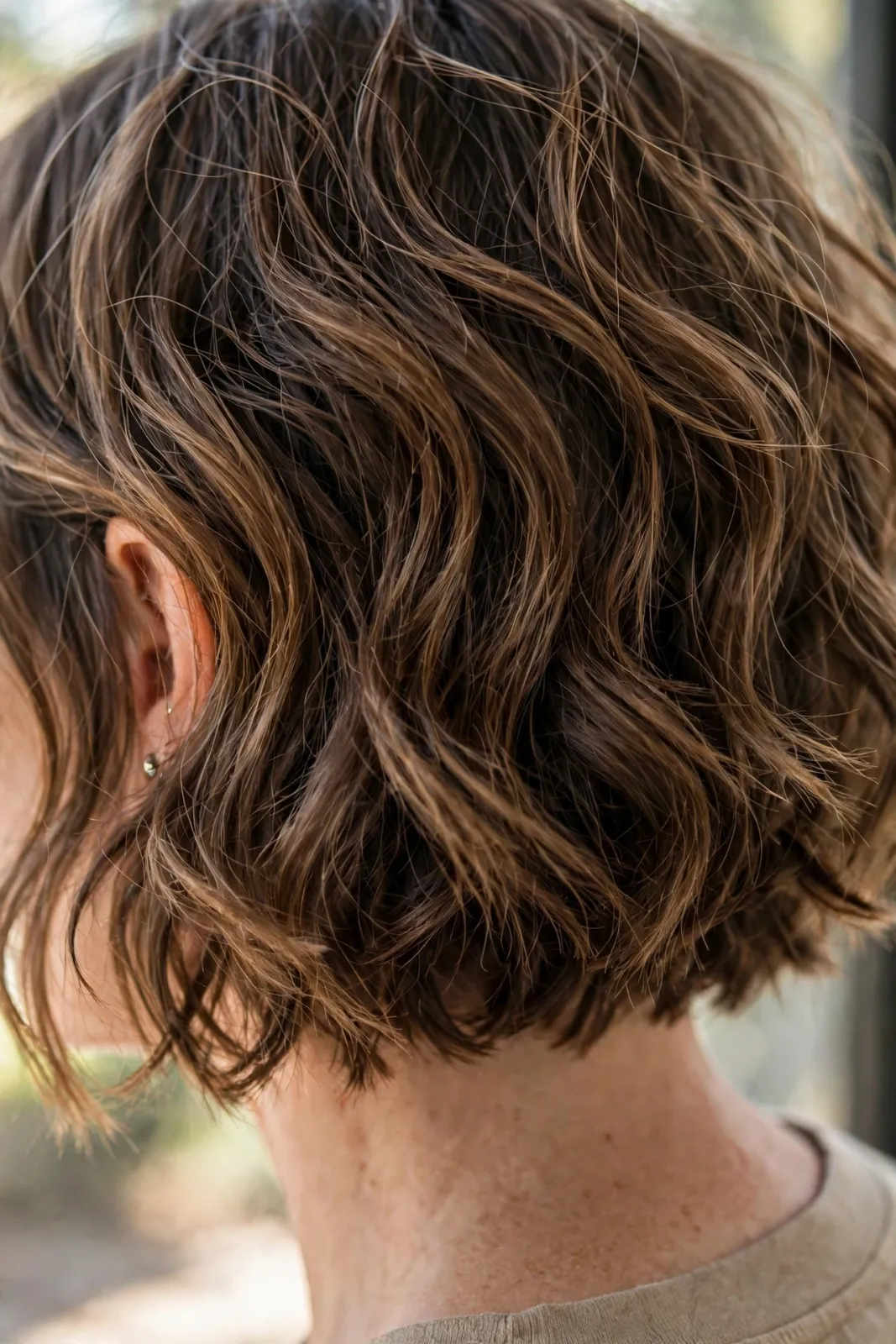
A traditional bob can be sleek and polished. A French bob is more relaxed: cut shorter, often between the ears and jaw, with a blunt edge that gives the ends weight, and worn with natural movement rather than a flat, ironed finish. The tousled version leans into that — waves are loose, pieces are separated, and a few strands are allowed to sit out of place. That small imperfection is the point.
1. The classic centre-part tousle. Part your hair in the middle, keep waves soft and open, and let the ends flick in different directions. It frames both sides of the face evenly and works with a blazer, a knit, or a simple top.
2. The deep side part. Move your part well to one side and let the heavier side sweep across your forehead like a soft, grown-out fringe. This adds volume at the root and a little drama without extra product.
3. Tucked behind one ear. Wear waves loose, tuck only one side behind your ear, and let the other side fall forward. Add a small gold hoop, and a plain outfit suddenly looks styled.
Ways 4 to 6: Softer, Sleeker and More Playful
4. The baby-fringe French bob. A very short, wispy fringe above the brows gives the bob a distinctly Parisian feel. Keep it light, not thick, and let it blend into the waves at the sides.
5. The sleeker polished wave. For a neater day, smooth the roots with a blow-dry brush, keep a gentle bend through the mid-lengths, and part it deeply. The wave reads as a soft curve rather than beachy texture.
6. Half-tucked and clipped. Gather the top or one side with a simple claw clip, a plain slide, or two small pins at the back, leaving a few wavy pieces loose around your face. Keep clips simple — matte metal or tortoiseshell looks most timeless.
Ways 7 to 9: Texture, Volume and Evening Touches
7. The full-volume airy bob. If your hair is fine, dry it upside down for the first few minutes, scrunch a small amount of mousse into damp lengths, and avoid heavy oils on the ends. A French bob helps fine hair here because blunt ends make the shape look thicker than a heavily layered cut would.
8. The wet-look evening wave. Comb a light gel or shine cream through damp waves, define a few pieces with your fingers, and let it set without touching it. The finish should look glossy, not stiff. Keep the rest simple — a clean neckline and small earrings — so the hair stays the focus.
9. The grown-out, low-effort bob. Two or three weeks after a cut, the edge drops a little, waves loosen, and the shape feels more relaxed. Many women love this stage most. If your stylist cuts with room to grow, you can stretch appointments to six or seven weeks without the shape collapsing, which makes this a surprisingly practical short style.
How to Create and Refresh the Waves, Step by Step
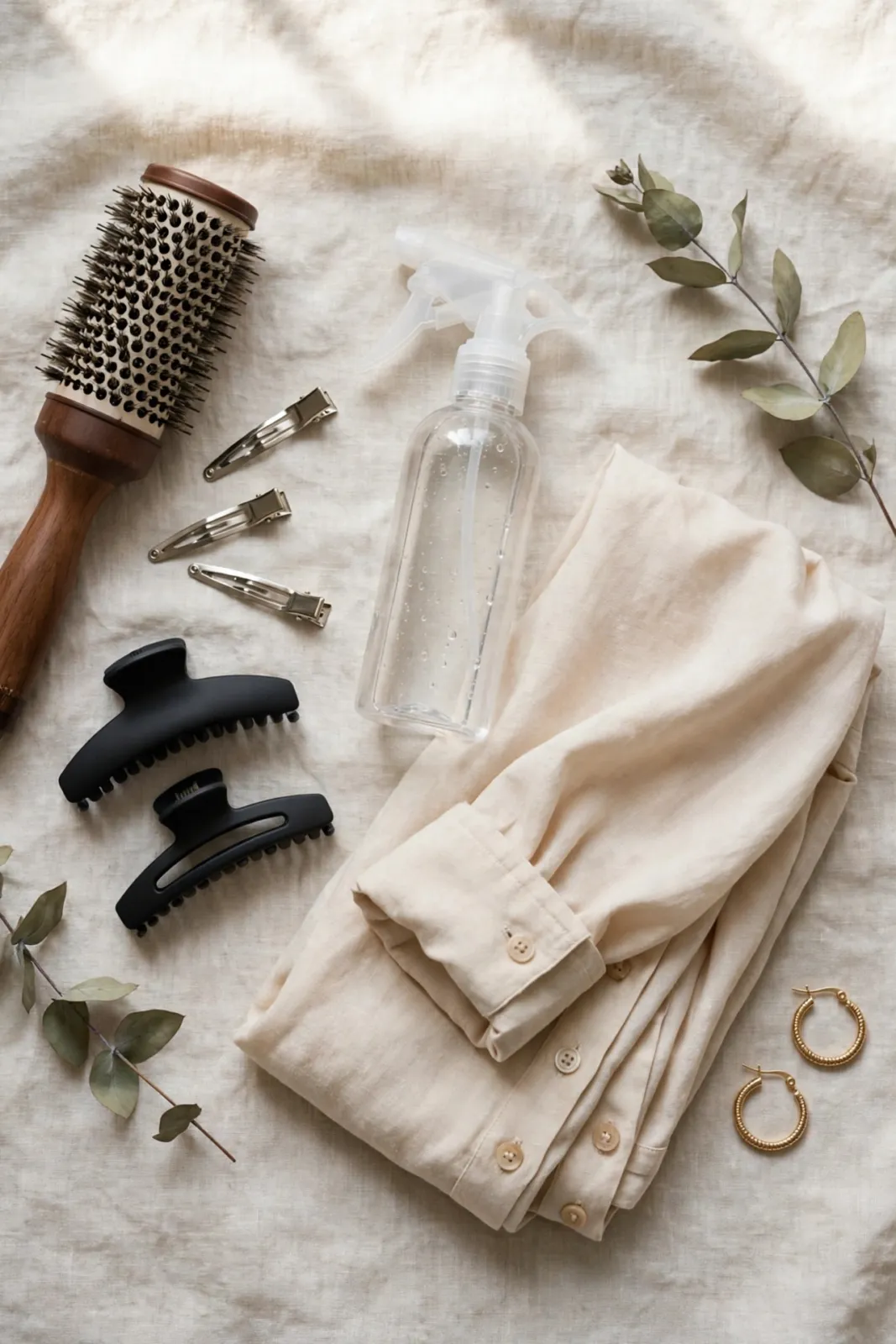
You do not need a drawer full of tools: heat protectant, a light mousse or texture spray, a dryer with a diffuser if your hair is naturally wavy, and a medium curling wand or flat iron are enough. Tousled waves should never look identical on both sides.
Step 1: Start damp, not dripping. Squeeze out water with a soft t-shirt or microfibre towel instead of rubbing with a rough towel. Apply heat protectant, then work a pea-to-walnut sized amount of mousse through mid-lengths and ends. Too much at the root will make a short bob look flat by midday.
Step 2: Dry for shape first. If your hair is naturally wavy, scrunch sections upward and diffuse on low heat until about eighty percent dry, then air-dry the rest. If your hair is straight, blow-dry it smooth but not pin-straight, keeping a little bend at the ends. Do not fight your texture into something else.
Step 3: Wave in alternating directions. Take sections roughly two to three centimetres wide. Wrap or clamp each away from your face, then the next toward your face, leaving the last two centimetres of ends out of the tool. Straight-ish ends make the wave look modern and French rather than curly and formal.
Step 4: Cool, shake and separate. Let everything cool for at least two minutes. Tip your head forward, shake gently at the roots with your fingertips, and separate waves with fingers or a wide-tooth comb. Never brush it out with a fine brush, or you will trade definition for frizz.
Step 5: Finish and refresh lightly. Mist a flexible texture spray from a distance and scrunch once more, then stop. On day two, spritz flattened sections with water plus a tiny drop of leave-in conditioner, re-scrunch, and re-wave only pieces that have completely fallen. Most of the shape should revive without starting again.

Choosing the Cut: Salon, Face Shape and Budget Advice
Bring three photos to your appointment: the length you want from the front, one from the side, and one showing the texture on an ordinary day, not just a red-carpet version. Tell your stylist exactly where the edge should sit — at the lips, the chin, or just below the jaw — because a centimetre makes a real difference at this length. Ask for soft, internal layering rather than choppy layers all over, unless your hair is very thick and needs weight removed.
For face shape, a jaw-grazing bob can sharpen a round face in a flattering way, while a slightly longer version just below the jaw softens a strong jawline. If you have a longer face, keep width at the sides and consider a wispy fringe. If you wear glasses, bring them so fringe and side pieces can be cut around your frames.
On budget, plan for a tidy-up every five to seven weeks, because short hair grows out of shape faster. Styling itself is cheap once you own a basic heat tool — you mainly need heat protectant and one texture product. If salon visits are pricey where you live, ask for the grown-out friendly version and leave the main shape to your stylist, doing only a careful fringe trim at home if needed.

Care That Keeps Waves Soft — and Mistakes to Avoid
Short wavy hair needs moisture, but not weight. Use a gentle shampoo two to three times a week, condition the ends every wash, and add a light deep-conditioning treatment once a week if your hair is coloured or dry. Sleep on a smooth pillowcase if you can, and revive rather than rewash in the morning whenever possible. A clarifying wash once a month removes build-up that can make waves droop.
Common mistakes are simple: too many layers make the bob look thin at the bottom; a tiny curling tool makes tight curls instead of loose waves; touching hair while it dries creates frizz; and oil before heat leaves ends stringy, so save oil for the very end and use only a drop. Do not judge the cut on day one — a French bob often looks best after a week, once the edge settles and you have styled it yourself a few times.
Frequently Asked Questions
Will a tousled French bob work if my hair is naturally straight?
Yes, but you will need to add the wave yourself with a wand or flat iron most days. The blunt cut gives straight hair a strong shape, and the alternating-wave method takes about ten minutes with practice. A light texture spray matters for you, because straight hair tends to drop faster.
How short should a French bob be?
Most sit between the cheekbones and just below the jaw, shorter than a classic shoulder-skimming bob. If it is your first short cut, start just below the jaw.
Does this style suit fine or thin hair?
It is one of the better short styles for fine hair because blunt ends create the impression of thickness. Keep layers minimal, use mousse rather than heavy creams, and avoid over-conditioning the roots. The full-volume method in way seven was written with fine hair in mind.
How often does a French bob need trimming?
Plan on every five to seven weeks to keep the edge clean and the shape balanced. A fringe needs a small trim sooner, usually every three to four weeks.
Can I wear a French bob if I have curly hair?
Absolutely, as long as it is cut on dry or partly dry hair so your stylist can see your real curl pattern and shrinkage. Ask for shaping that respects your curls. Your routine will be simpler: define with a light cream, diffuse gently, and let your natural texture do most of the work.
The charm of tousled French bob waves is that they do not ask you to be perfect. The cut gives you structure, the waves give you movement, and a few loose pieces are not a problem to fix — they are the whole look. Pick the version that fits your mornings, learn the five-minute refresh, and enjoy how much lighter short, soft, wavy hair can feel. Save the way you love most, take your photos to your stylist, and wear it with confidence.